Clean water is something most people take for granted. You turn on a faucet, fill a glass, and expect safe water every time. What many property owners do not realize is that water systems can sometimes experience a reverse flow condition known as backflow. When this happens, contaminants can enter the drinking water supply and create serious health risks.
That is where
backflow testing comes in. Regular testing helps ensure that backflow prevention devices are functioning properly and protecting both private properties and public water systems. Whether you manage a commercial facility, an apartment complex, or a residential property, understanding the purpose and importance of
backflow testing can help you stay compliant and keep your water safe.
Understanding Backflow and Why Backflow Testing Matters
Before discussing the testing process, it helps to understand what backflow actually is. Backflow occurs when water flows in the opposite direction from its intended path. Instead of clean water moving from the municipal supply into a building, contaminated water can be pulled or pushed back into the drinking water system.
This can happen due to sudden changes in water pressure. Events such as water main breaks, firefighting activities, heavy water usage, or equipment failures can create pressure imbalances that allow contaminated water to enter clean water lines.
Common contamination sources include:
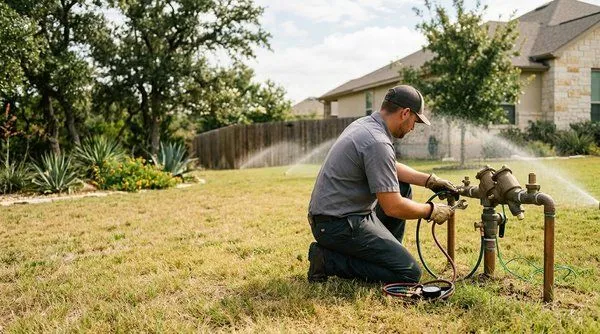
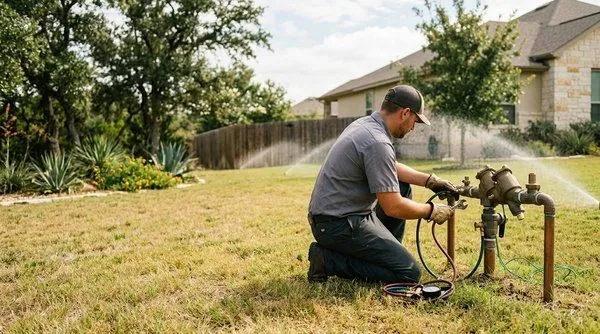
- Irrigation systems: Fertilizers, pesticides, and stagnant water can enter the potable water supply.
- Industrial equipment: Chemicals and process fluids may pose contamination risks.
- Boilers and cooling systems: Non-potable water can mix with drinking water under certain conditions.
- Commercial facilities: Cross-connections can create opportunities for contamination.
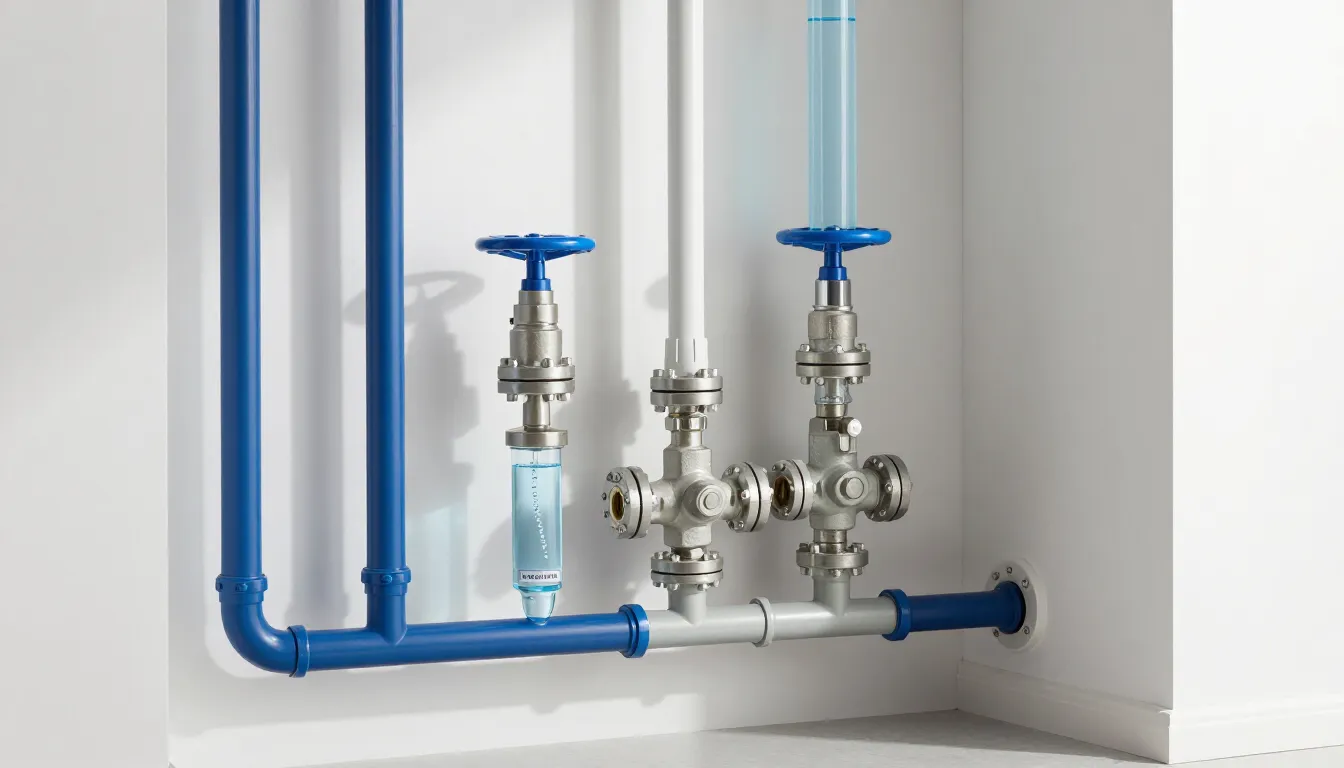
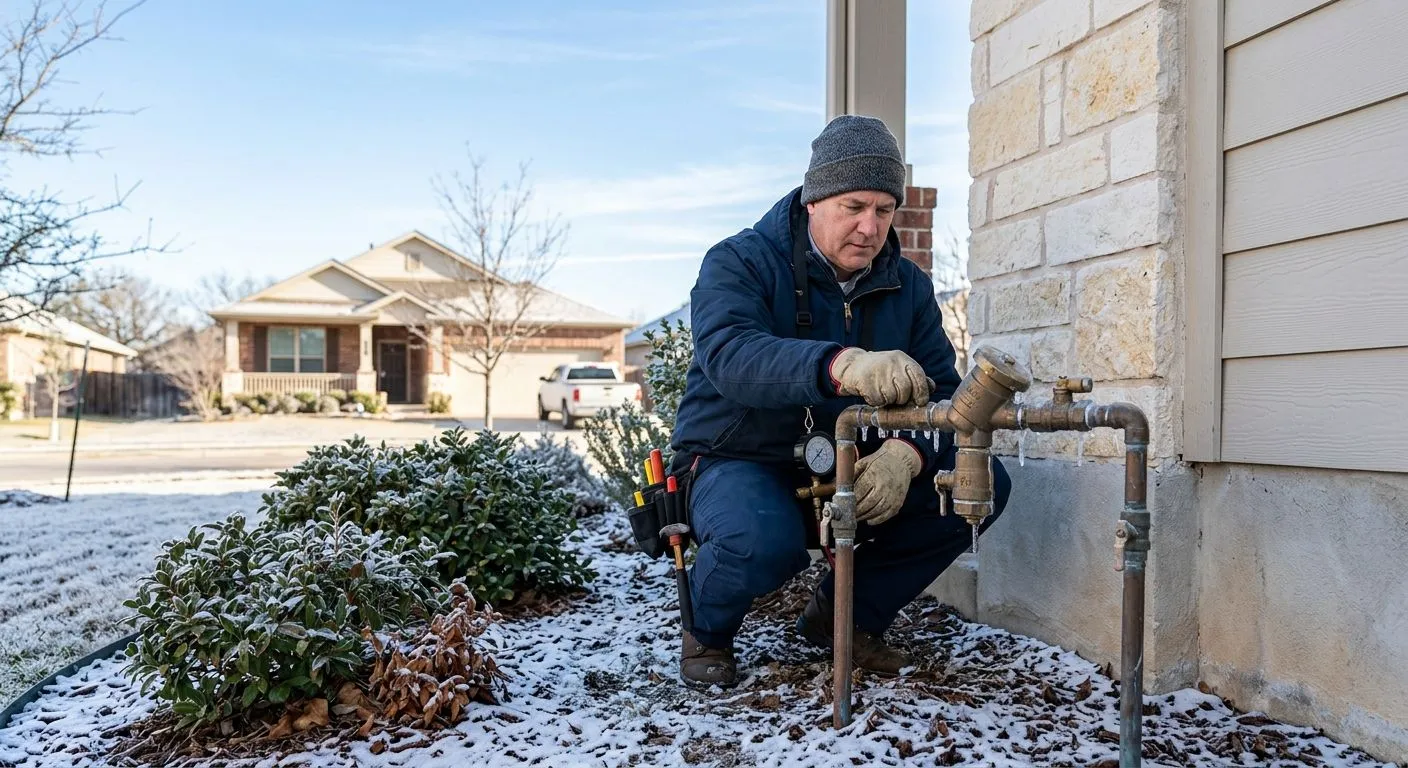
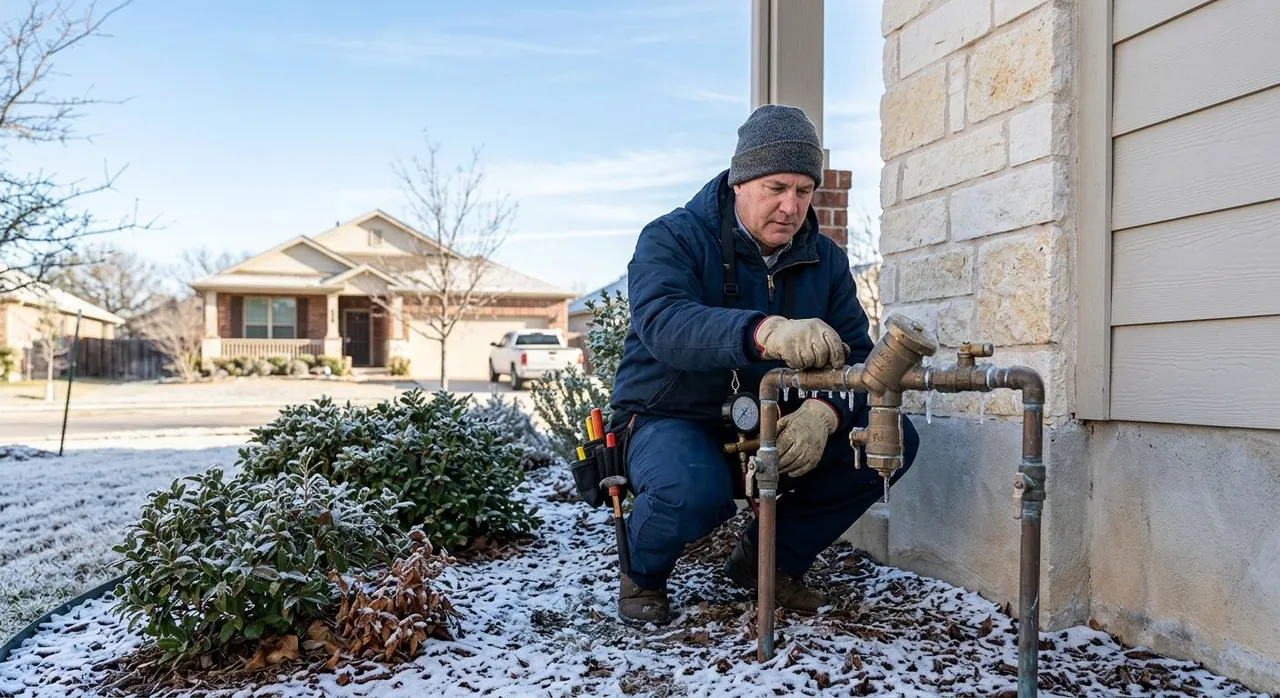
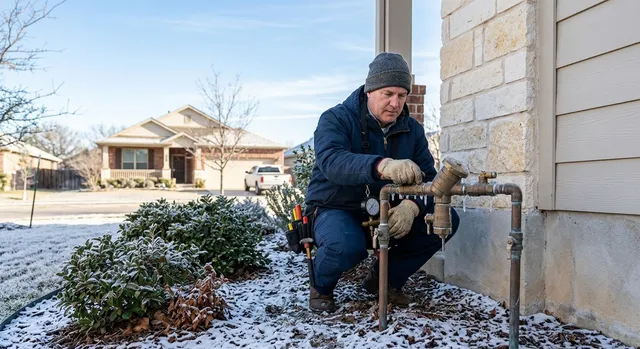
Backflow prevention devices are installed to stop this reverse flow from occurring. However, these devices contain mechanical parts that can wear out over time. Springs weaken, seals deteriorate, and debris can interfere with proper operation.
That is why
backflow testing is so important. Testing verifies that the device is functioning correctly and capable of protecting the water supply. Think of it like a smoke detector. You hope you never need it, but you definitely want it working when it matters. Unlike a smoke detector, though, you cannot simply press a button and hope for the best.
Regular
backflow testing helps property owners meet local requirements while reducing the risk of contamination events that could affect both their property and the surrounding community.
The Backflow Testing Process Explained Step by Step
Many property owners hear the term
backflow testing and imagine a complicated process involving major disruptions. Fortunately, the procedure is usually straightforward when performed by a qualified professional.
The goal of testing is to verify that the backflow prevention assembly is operating properly and capable of preventing contaminated water from reversing direction.
A typical testing process includes:
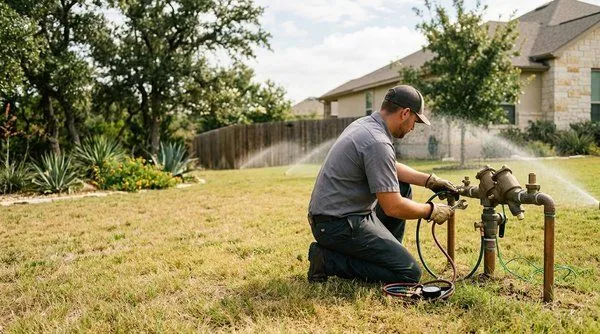
- Visual inspection: The technician examines the device for visible damage, leaks, corrosion, or other issues.
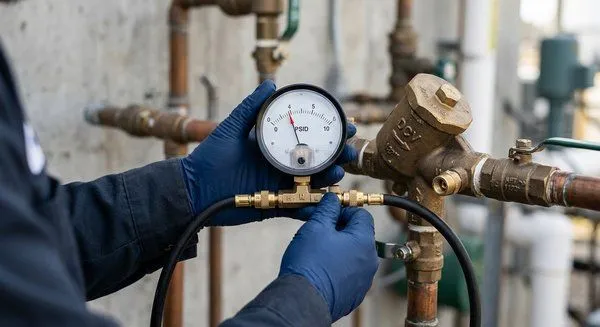
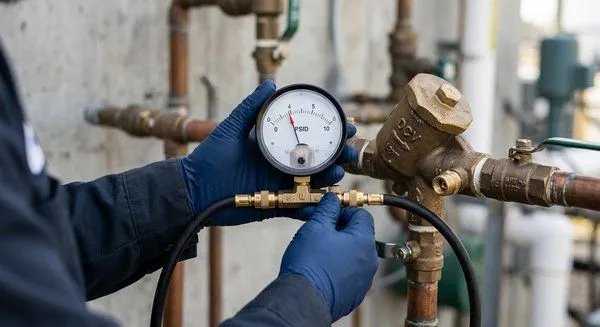
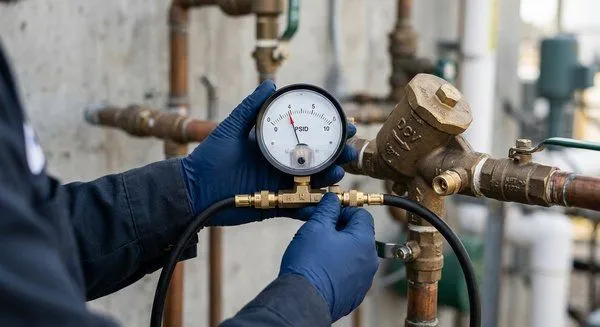
- Connection of testing equipment: Specialized gauges and instruments are attached to the assembly.
- Performance evaluation: Internal components are tested to ensure proper pressure levels and valve operation.
- Documentation and reporting: Results are recorded and submitted according to local requirements.
- Recommendations if needed: If issues are discovered, repairs or replacement options may be discussed.
The entire process is generally completed within a relatively short timeframe, depending on the type and condition of the device.
During testing, technicians measure pressure differentials and verify that check valves and relief valves perform as intended. These components work together to create a barrier that prevents contaminated water from entering the drinking water system.
If a device fails inspection, it does not necessarily mean a major problem exists. In many cases, worn parts can be repaired and the assembly can be retested. However, older units may require replacement if repairs are no longer practical.
Routine
backflow testing provides peace of mind by identifying small issues before they become larger compliance or safety concerns. Regular inspections also help extend the useful life of backflow prevention equipment by ensuring problems are caught early.
The Long-Term Benefits of Regular Backflow Testing
Some maintenance tasks are easy to postpone. Unfortunately, water safety is not one of them. Consistent
backflow testing offers benefits that go far beyond meeting local regulations.
One of the biggest advantages is protecting public health. When backflow prevention devices operate correctly, they help stop contaminants from entering drinking water systems. This protection benefits not only individual properties but also neighboring homes and businesses connected to the same water infrastructure.
Additional benefits include:
- Regulatory compliance: Many municipalities require periodic testing and documentation.
- Reduced liability: Property owners can demonstrate that required safety measures are being maintained.
- Early problem detection: Minor issues can often be addressed before becoming costly repairs.
- Improved system reliability: Properly functioning devices provide ongoing protection against contamination.
- Cost savings: Preventive maintenance is typically less expensive than emergency repairs or replacements.
For commercial property owners and facility managers, compliance is especially important. Missing required inspections can result in notices, fines, or other complications. Staying current with
backflow testing requirements helps avoid unnecessary headaches and keeps operations running smoothly.
There is also a practical side to regular testing. Most people do not think about their backflow preventer until there is a problem. Similar to changing the batteries in a smoke detector or servicing an HVAC system, preventive maintenance helps avoid surprises.
By investing in routine
backflow testing, property owners take a proactive approach to water safety, compliance, and long-term system performance.
Schedule Professional Backflow Testing in Austin, TX
Protecting your water supply starts with reliable
backflow testing from experienced professionals. At
Multi-Test Solutions, we help property owners throughout Austin, TX ensure their backflow prevention devices are operating properly and meeting local compliance requirements. Whether you manage a commercial facility, residential property, or community association, our team is ready to provide accurate testing and dependable service. Call
512-690-1225 today to schedule your inspection.
In addition to
backflow testing, we also offer
backflow repair,
backflow replacement, and
project management services to help clients address issues quickly and efficiently. If your device needs repairs, upgrades, or complete replacement, our team can guide you through the process and help keep your water system protected. Contact Multi-Test Solutions today to get started.