The Silent Threat Beneath Your Lawn: Why Austin Property Owners Must Test Backflow Preventers After a Freeze
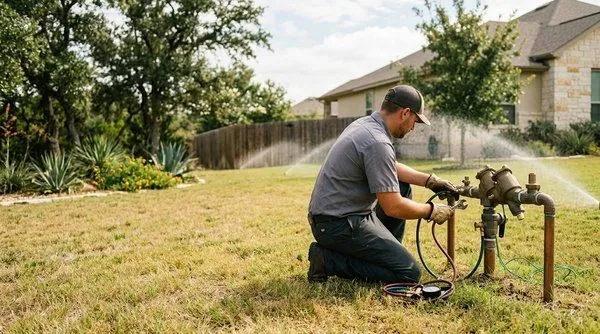
Austin's winters have become anything but predictable. One week it's a pleasant 65 degrees, and the next, a hard freeze is rolling in off the Hill Country, catching homeowners and commercial property managers completely off guard. While most people rush to protect exposed pipes and outdoor faucets, one critical piece of plumbing infrastructure almost always gets overlooked: the backflow prevention assembly on your irrigation system.
At
Multi-Test Solutions, we see the aftermath of freeze damage to backflow devices every single year in the Austin metro area. The frustrating part? Most property owners have no idea anything is wrong until it's too late.
What Is a Backflow Preventer and Why Does It Matter?
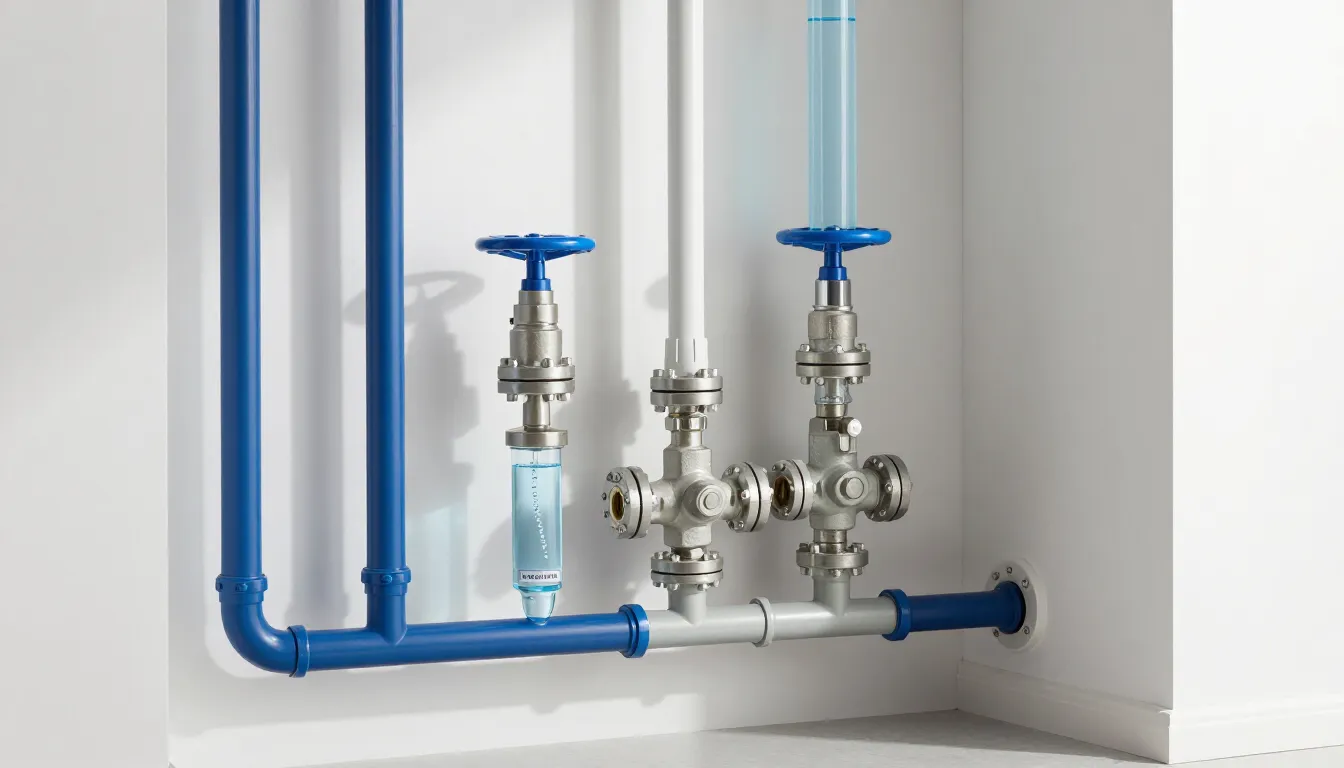
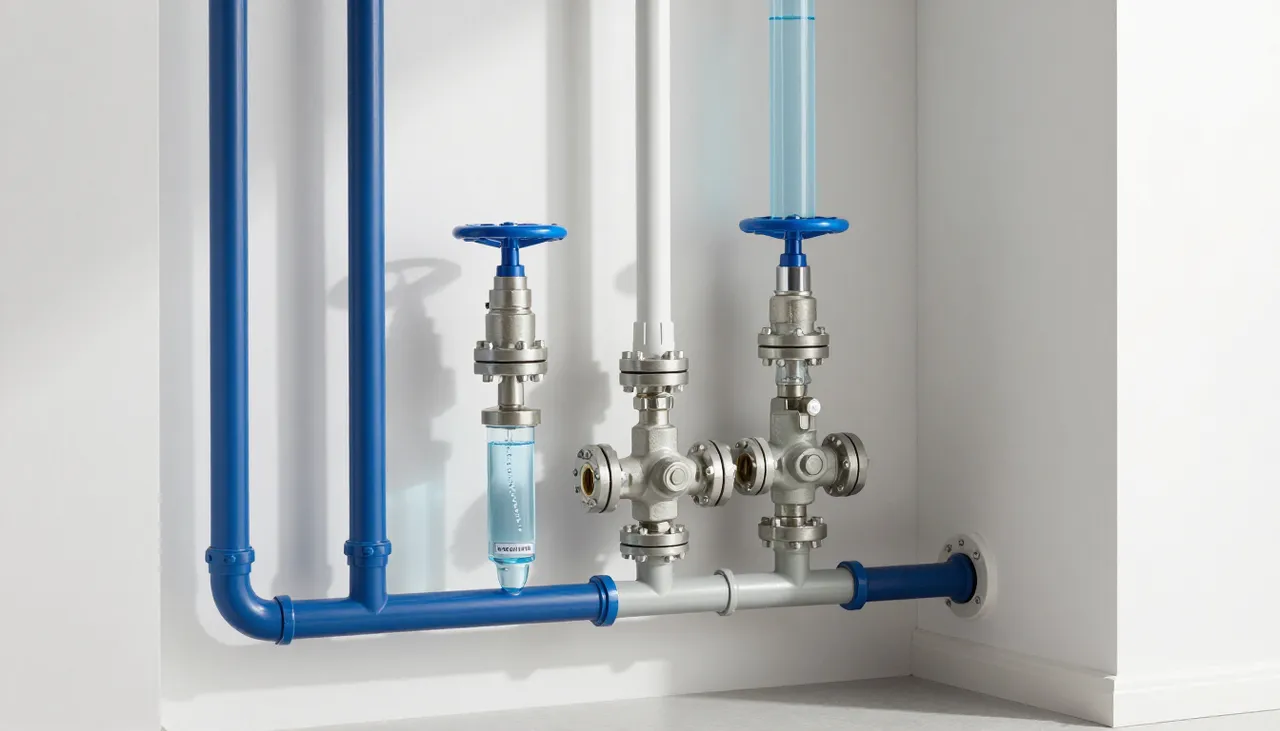
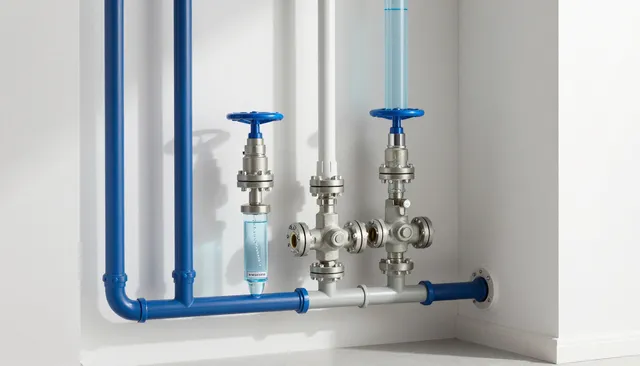
A backflow preventer is a mechanical device installed on your plumbing system that stops contaminated water from flowing backward into the city's clean drinking water supply. When municipal water pressure drops suddenly (due to a water main break, nearby fire hydrant use, or a major demand surge), pressure can reverse and literally "siphon" whatever is sitting in your irrigation lines directly back into the tap water supply.
We are talking about lawn fertilizers, pesticides, pool chemicals, and stagnant water with bacteria. Without a functioning backflow preventer, those contaminants can reach your faucet.
This is not a rare edge case. Research from the Water Research Foundation found that approximately 5% of residential homes experience a backflow incident of one gallon or more every single year. Even more concerning, nearly two out of three homeowners have never heard of a backflow preventer, let alone know whether theirs is working. A real-world example of what can happen occurred in Grand Prairie, Texas, when firefighting foam backflowed into the city water system, leaving 60,000 residents without safe tap water for days and triggering more than $100,000 in emergency response costs.
How Freezing Temperatures Destroy Backflow Devices From the Inside
Here is what makes freeze damage so dangerous: it is often completely invisible.
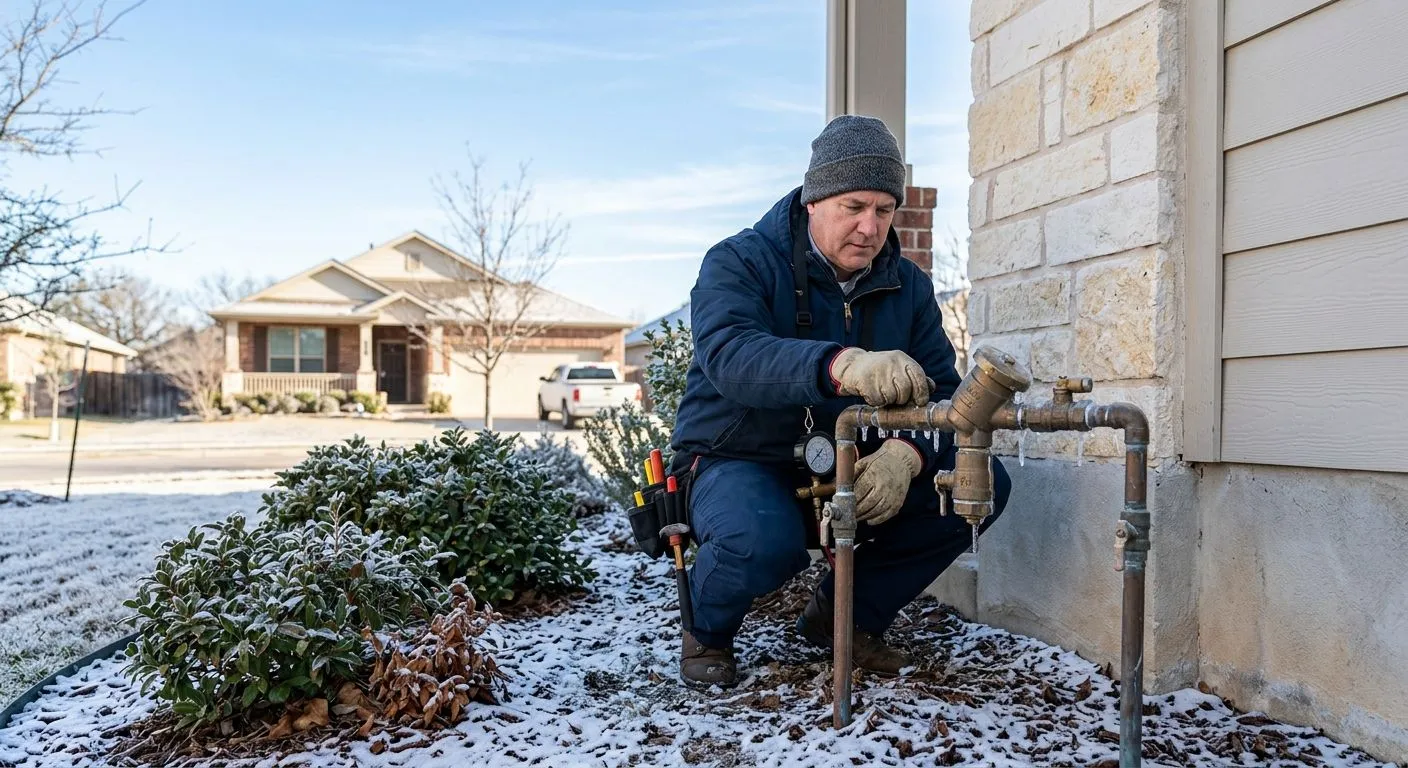
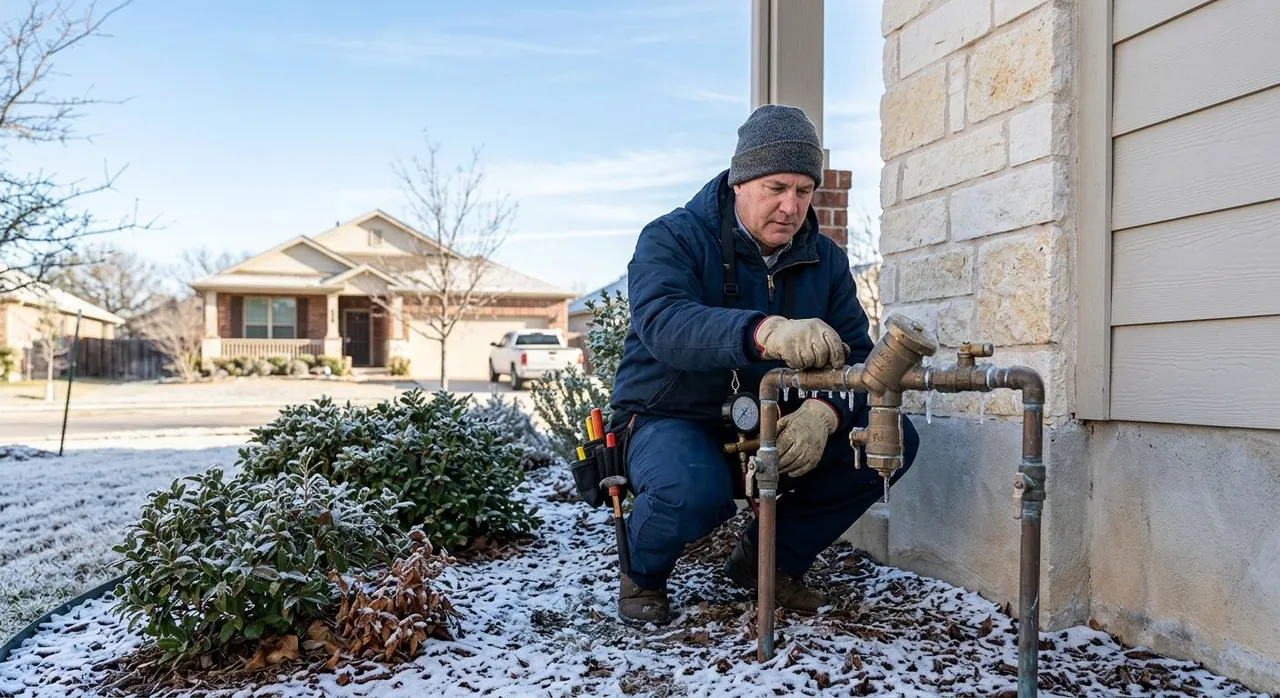
Backflow prevention assemblies installed on above-ground irrigation systems are among the most vulnerable plumbing components during a hard freeze. These devices contain tight internal brass chambers, rubber seals, and spring-loaded check valves. When water trapped inside those chambers freezes, it expands with tremendous force, cracking internal bodies, popping seals, and warping precision-engineered valve components.
The critical issue is that a freeze-damaged backflow device does not always leak or spray water visibly after it thaws. The internal damage can render the device completely non-functional while it looks perfectly normal from the outside. Your irrigation system will run fine. You will have no idea that your only line of defense against contaminated water flowing backward into the drinking supply has been completely compromised.
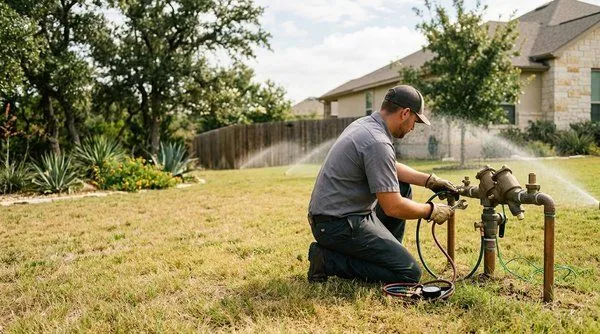
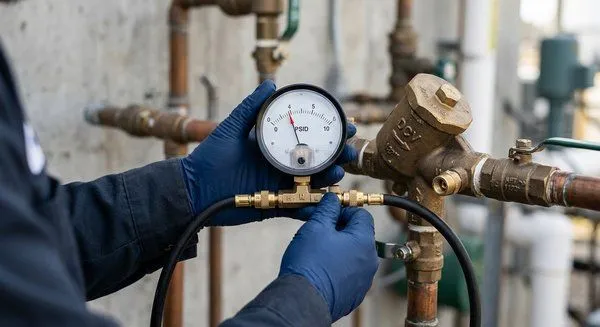
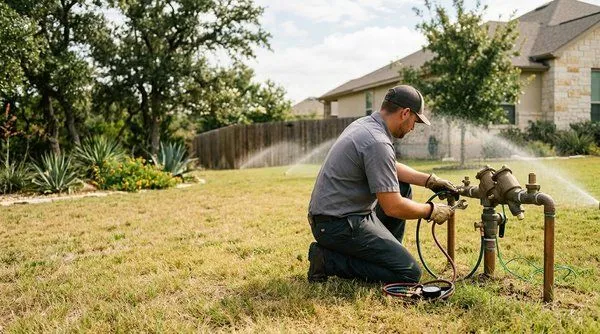
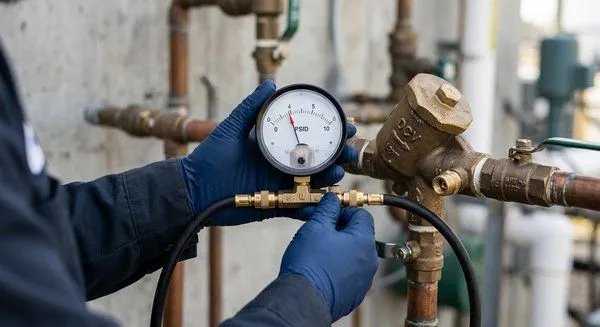
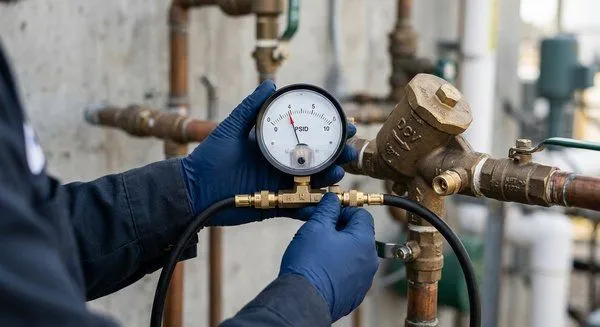
The only way to know for certain whether your backflow preventer survived a freeze is to have it professionally tested by a licensed technician.
Austin's Compliance Requirements: Testing Is Not Optional
If you own a home or commercial property in Austin with an irrigation system, pool, commercial kitchen, or medical-grade water fixtures, you are legally required to have your backflow assembly tested annually by a licensed technician. Austin Water and the various Travis County Water Control and Improvement Districts (WCIDs) and municipal utility districts (MUDs) throughout the metro area have strict cross-connection control programs designed to protect public health during a period of rapid regional growth.
Passing test reports must be submitted through certified digital platforms such as VEPO, BSI Backflow, or SwiftComply. Failing to file on time can result in the termination of your water service, significant fines, and serious legal liability if a contamination event occurs.
Scheduling professional
backflow prevention testing is the simplest way to stay compliant, protect your property, and protect the people who rely on your water supply.
What Happens If Your Backflow Preventer Fails a Test?
If a post-freeze inspection reveals that your device has been damaged or is no longer functioning properly, you have two paths forward depending on the severity of the damage:
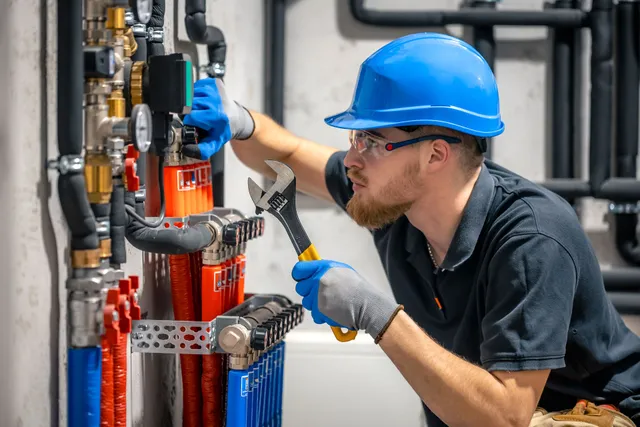
- Repair: If the internal components (seals, springs, or check valves) are damaged but the housing is structurally intact, a qualified technician may be able to perform a targeted backflow repair to restore full functionality.
- Replacement: If the body of the device is cracked, warped, or otherwise compromised beyond repair, full backflow replacement is the safest and most cost-effective long-term solution.
Neither option should be delayed. A failed backflow preventer provides zero protection for your property or your neighbors on the same water line.
What About Smart Technology? A Look at Where the Industry Is Heading
The backflow prevention industry is evolving quickly. The global backflow preventer market is projected to reach nearly $570 million by 2034, driven in part by the rapid adoption of IoT-enabled (Internet of Things) smart devices. These next-generation assemblies include real-time pressure sensors and flow monitors that send instant alerts via text or email when a valve fails or begins discharging water abnormally.
For commercial property managers in Austin overseeing large campuses, apartment complexes, or mixed-use developments, this technology can prevent catastrophic flooding events and provide immediate notification of water safety emergencies, potentially saving thousands of dollars in damage and liability.