Backflow Preventer Repair Austin: Hidden Failures

A backflow preventer can look completely intact on the outside and still be silently failing inside. That internal failure is exactly what puts Austin properties at risk of contaminated drinking water, heavy municipal fines, and potential water shutoffs.
Multi-Test Solutions helps Austin property owners and facility managers stay ahead of these hidden problems before they become costly emergencies. Understanding what causes internal backflow failures, and why Austin's current construction climate makes them more common, is the first step toward protecting your property.
Why Austin's Growth Is Creating a Hidden Pressure Problem
Austin is expanding fast. High-density developments in neighborhoods like Mueller and Travis Heights are placing unprecedented stress on the city's water infrastructure. That growth has a direct consequence for every backflow preventer connected to the municipal supply.
When city crews repair water mains, flush hydrants, or manage peak demand during hot Texas afternoons, local line pressures can drop suddenly. These drops, sometimes 20 to 40 psi within seconds, create a vacuum effect called backsiphonage. A backflow preventer with dried-out seals or a slightly worn check valve cannot react quickly enough to stop it.
The result is dangerous. Non-potable water, including landscape fertilizers, pool chemicals, or industrial waste, gets drawn backward into the clean drinking supply. The device looks normal from the outside. The contamination happens entirely within the plumbing.
The Signs Are Internal, Not External
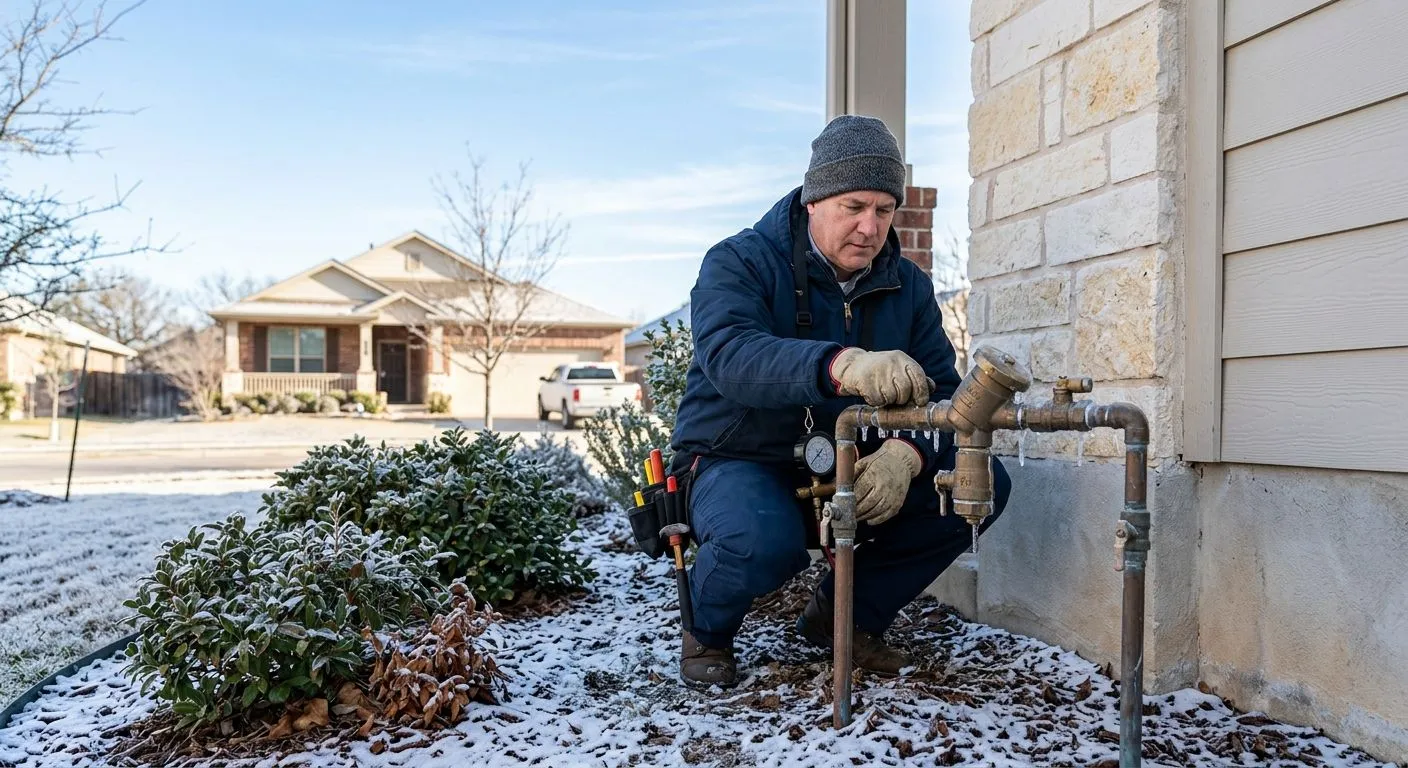
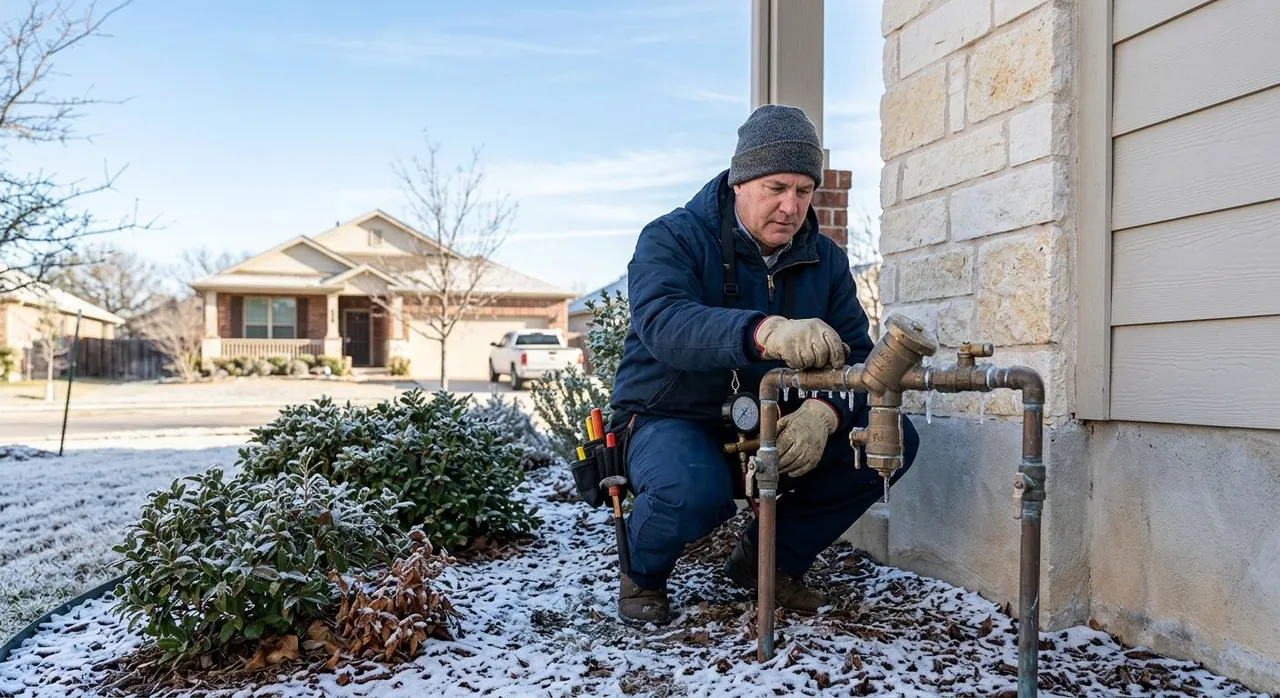
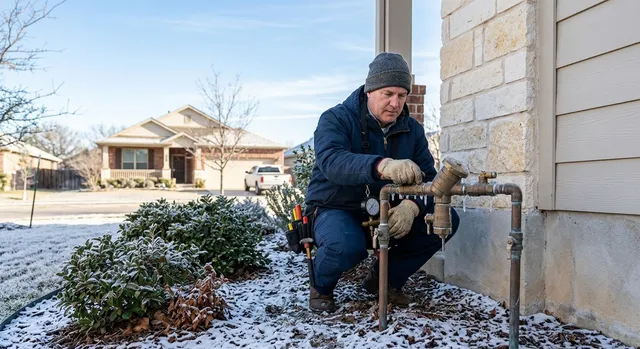
This is the core challenge with backflow preventer failures. There is rarely a visible warning sign. The assembly is not leaking. The housing is not cracked. Yet inside, the seals have dried out, the check valve seat has worn down, or the relief valve is no longer seating properly.
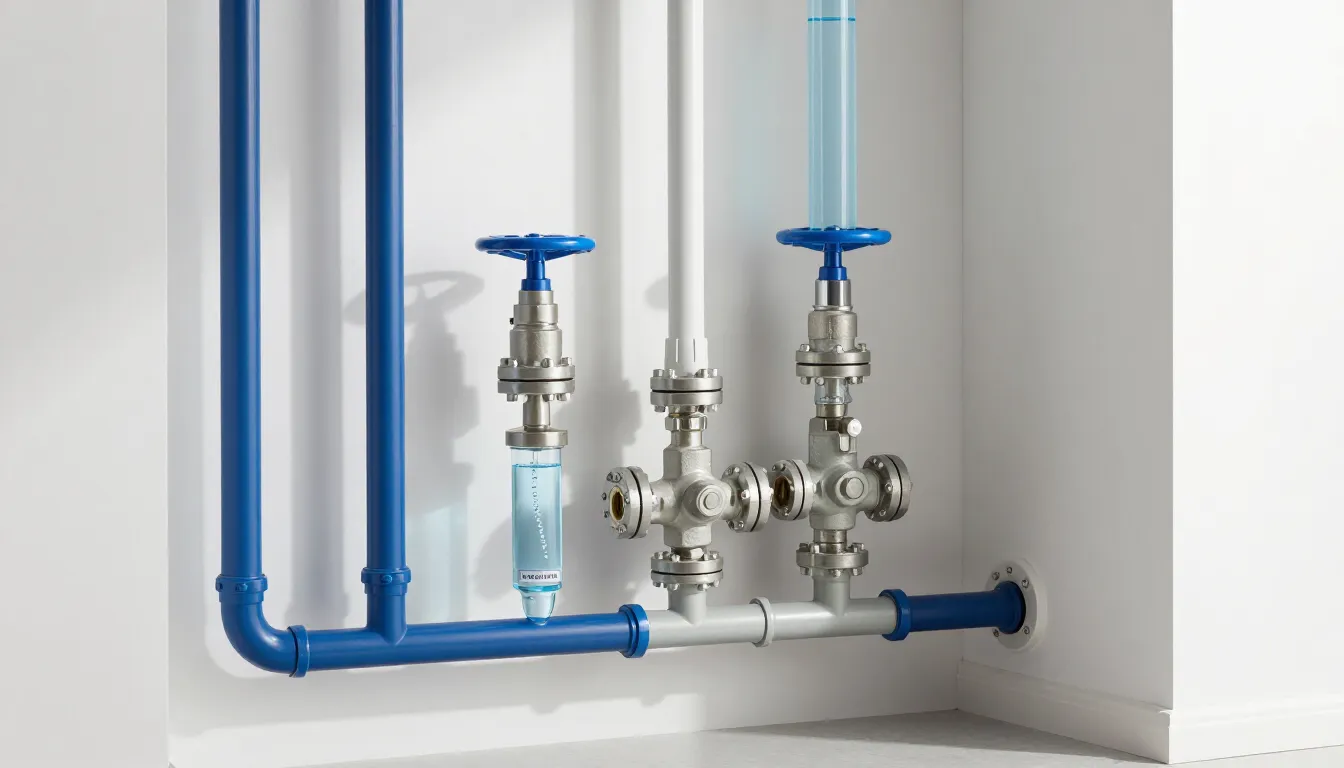
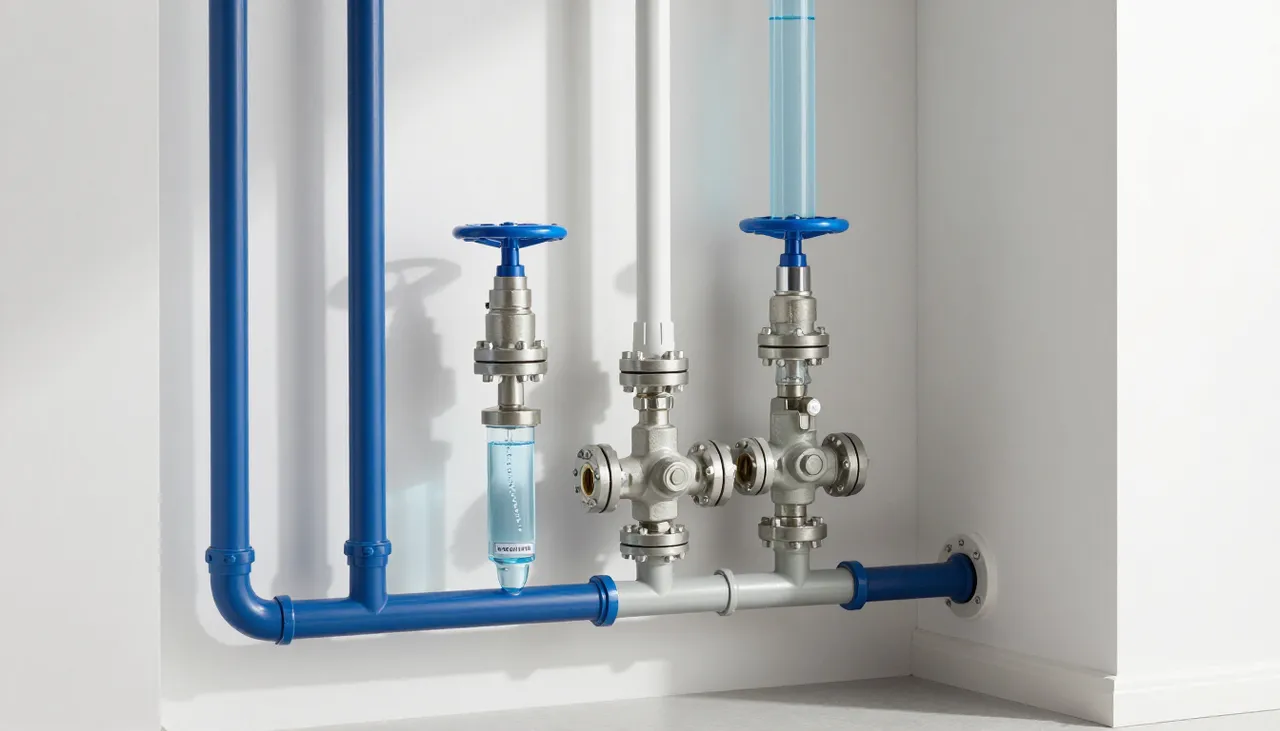
Common internal failure points include:
- Dried or degraded rubber seals from seasonal temperature swings
- Worn check valve discs that no longer create a complete seal
- Debris lodged in the check valve seat from aging Austin water mains
- Relief valves that open prematurely or fail to open at all
- Corrosion on internal springs caused by mineral-heavy Central Texas water
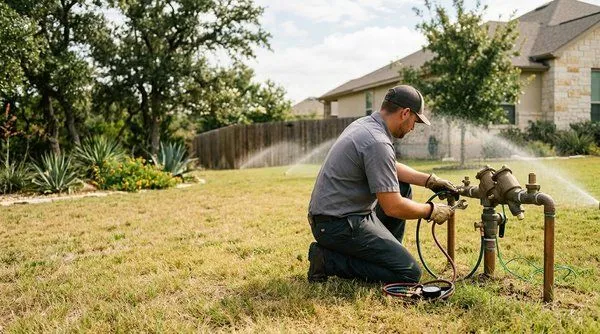
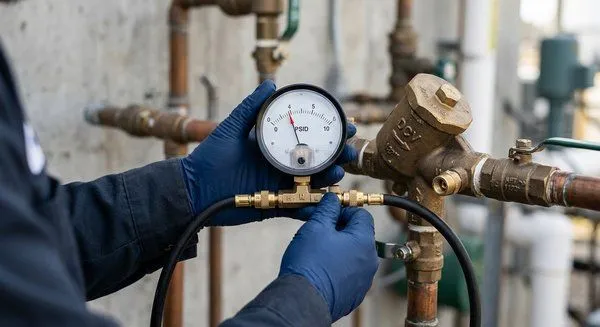
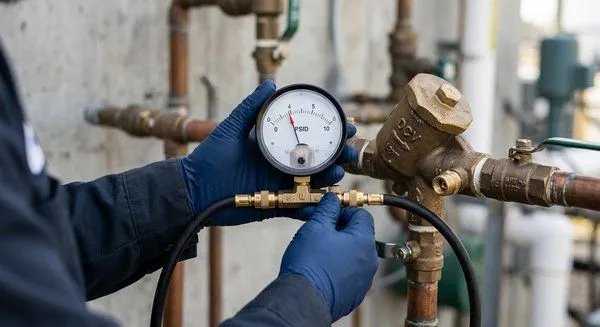
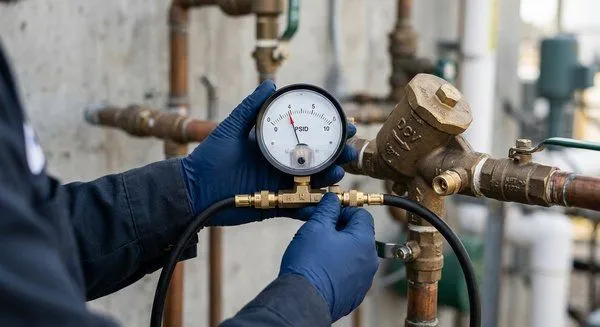
None of these are visible from a routine walkthrough. Only a certified pressure test reveals whether the assembly is actually functioning within acceptable tolerances.
A Real-World Warning From Texas
The risk is not theoretical. A major backflow contamination incident in Grand Prairie illustrates exactly what is at stake for any Texas municipality. During a warehouse fire, firefighting foam bypassed an older, failing check valve and entered the municipal drinking water system. The single event triggered a strict "Do Not Use" order affecting 60,000 residents for two days. Schools and businesses shut down. Emergency crews distributed over 630,000 water bottles.
That type of event starts with one failing device that was never replaced or properly maintained. Austin property managers relying on outdated or "grandfathered" assemblies face the same liability exposure. When a device repeatedly fails tests or shows severe internal wear,
backflow replacement is not an upgrade; it is a necessity.
Austin's Enforcement Is Not Forgiving
Fixing the device is only part of the equation. Austin Water enforces cross-connection codes through a mandatory online reporting system. Under Austin City Code Chapter 15-1, paper copies of Test and Maintenance Reports are no longer accepted. Licensed technicians must submit results electronically through the WEIRS portal within five calendar days of the test.
The penalties for missing that window are severe. Criminal offenses carry fines of up to $2,000 per day. Civil offenses can reach $5,000 per day. Beyond the fines, Austin Water can terminate water service immediately for non-compliance.
This is why professional
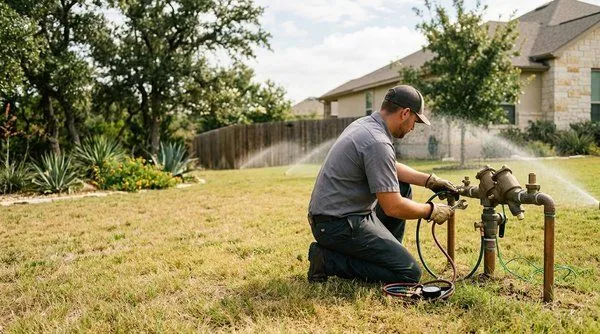
backflow preventer repair in Austin has to include more than just the physical fix. The compliance documentation has to be filed correctly and on time. Choosing a provider with dedicated project management built into the workflow ensures nothing falls through the cracks after the technician leaves the property.
When Repair Is Enough and When It Is Not
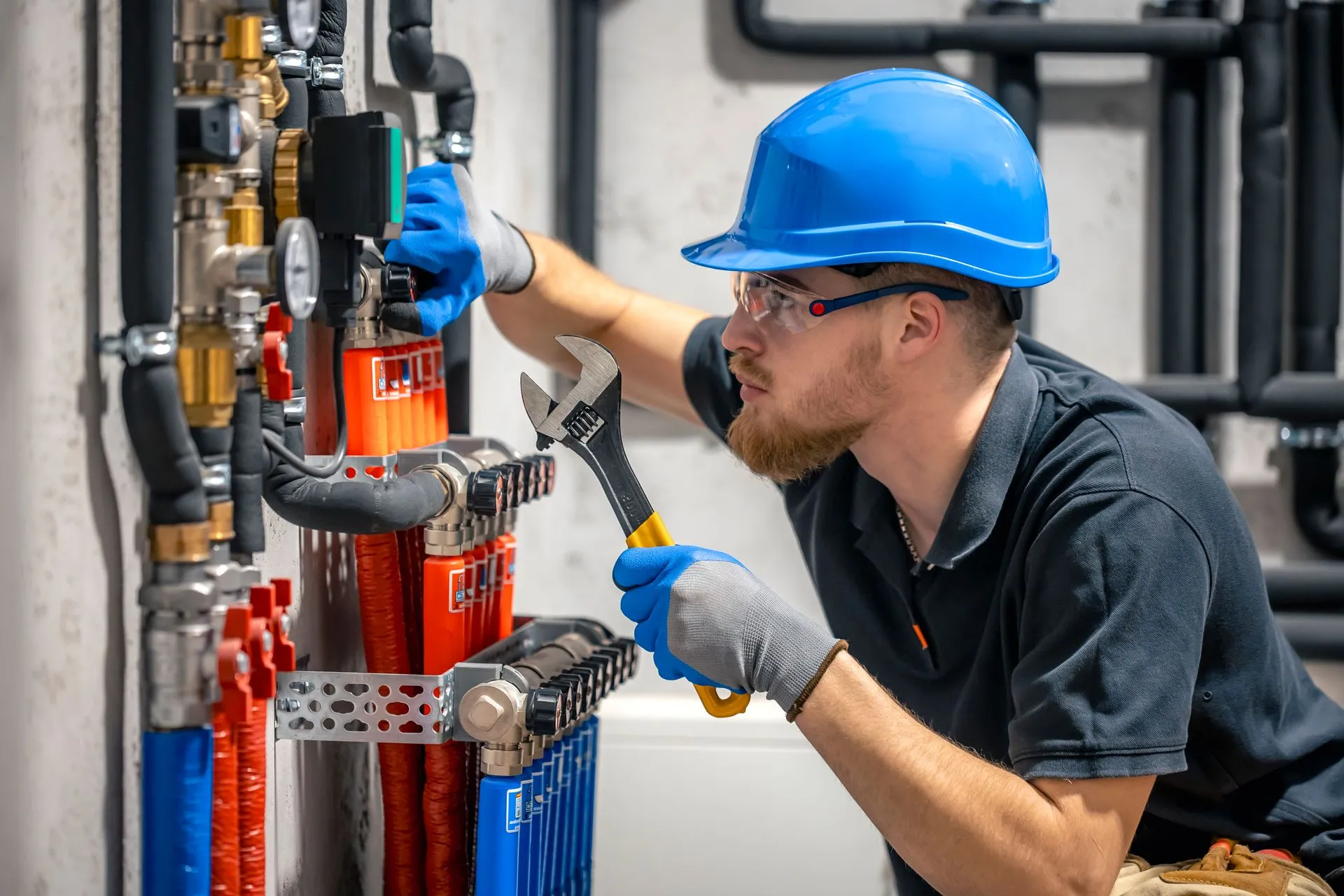
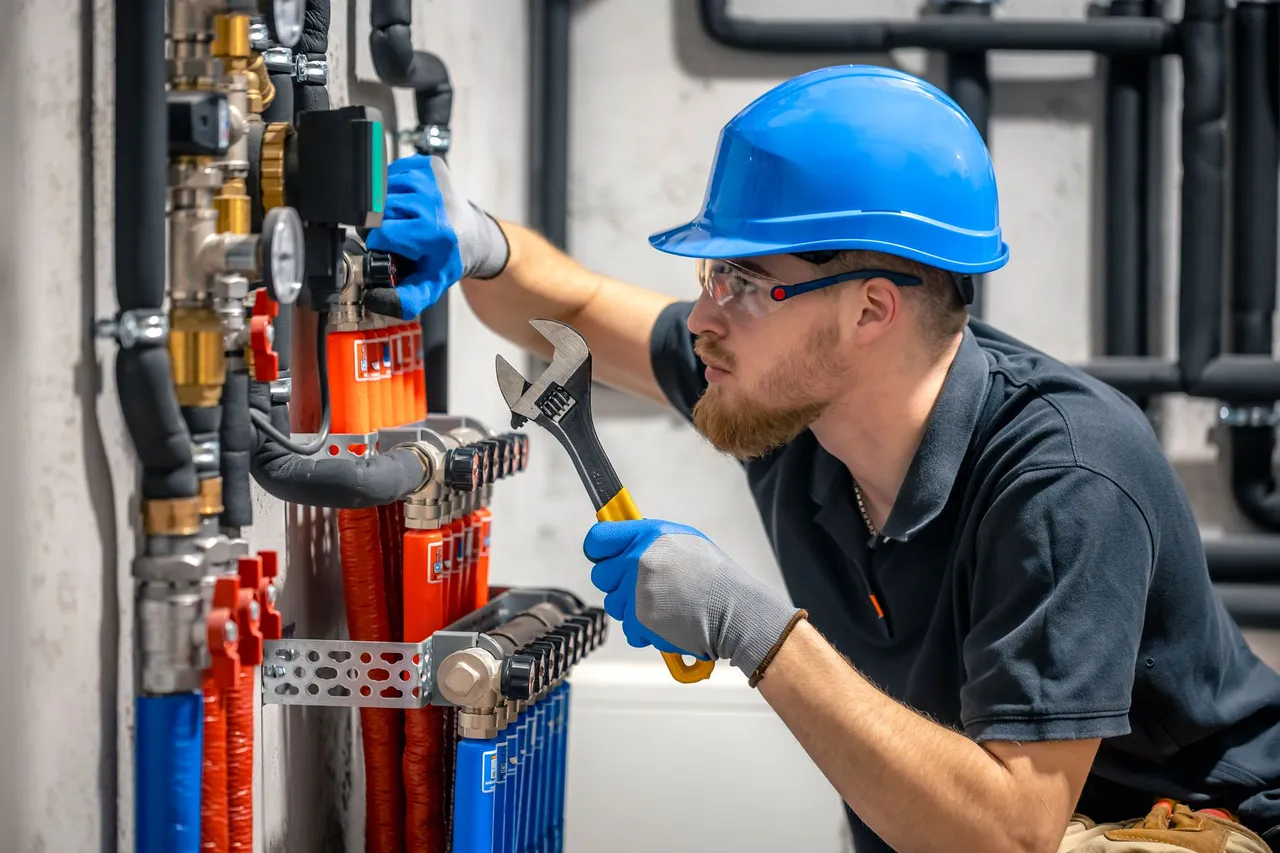
Not every internal failure requires full replacement. A technician performing a proper inspection can often rebuild an assembly by replacing worn seals, springs, and check valve components at a fraction of the replacement cost. This is a practical option for newer devices with isolated wear.
However, some assemblies have reached the point where repair is no longer economical or safe.
Key indicators that replacement is the better path:
- The device has failed multiple consecutive annual tests
- Internal corrosion has compromised the body of the assembly
- Replacement parts are no longer manufactured for the model
- The assembly was installed under older codes and does not meet current standards
- The property's hazard level has increased, requiring a higher-rated device
A qualified Austin technician evaluates all of these factors during inspection and gives a clear recommendation based on the actual condition of the assembly.
Smart Monitoring for High-Risk Facilities
Commercial facilities in 2026 have access to technology that was not practical even a few years ago. Advanced backflow preventers now integrate with IoT-enabled monitoring systems. These devices use flood sensors and self-calibrating diagnostics to detect abnormal pressure drops or relief valve discharge in real time. Alerts go directly to facility managers via cellular connection or a Building Management System before a backflow event causes damage.
For high-hazard applications, coordinating this kind of upgrade requires detailed planning. Professional project management ensures the system design, installation sequencing, and compliance filing all align without disrupting normal facility operations.
Frequently Asked Questions
How often should backflow preventers be tested in Austin?
Austin Water requires annual testing for most backflow prevention assemblies. Commercial and high-hazard properties may have additional requirements based on the specific cross-connection category.
Can I tell if my backflow preventer is failing just by looking at it?
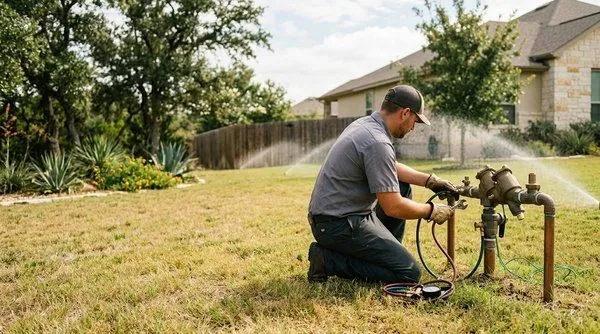
Not reliably. Internal seal wear and valve degradation are not visible from the outside. A certified pressure test is the only accurate way to confirm whether the assembly is functioning within required tolerances.
What is the WEIRS portal and why does it matter?
WEIRS stands for Water Environmental Integrated Recordkeeping System. It is Austin Water's mandatory electronic platform for submitting Test and Maintenance Reports. Paper submissions are not accepted, and results must be filed within five calendar days of testing.
What happens if my backflow preventer fails its annual test?
A failed test means the assembly is not providing adequate protection. Depending on the severity, the device will need repair or full replacement before it can pass a retest and remain in compliance with Austin City Code.
Is backflow preventer repair the same as backflow preventer replacement?
No. Repair typically involves replacing internal components like seals, springs, or check valve discs. Replacement means removing the entire assembly and installing a new one. A certified technician determines which option is appropriate based on the device's condition and age.
Ready to schedule a certified inspection before a hidden failure becomes a serious problem? Reach out to the team at Multi-Test Solutions to book your backflow preventer repair or testing appointment in Austin today.