





Share this article

Backflow Testing in Austin: What Drought Rules Mean for You

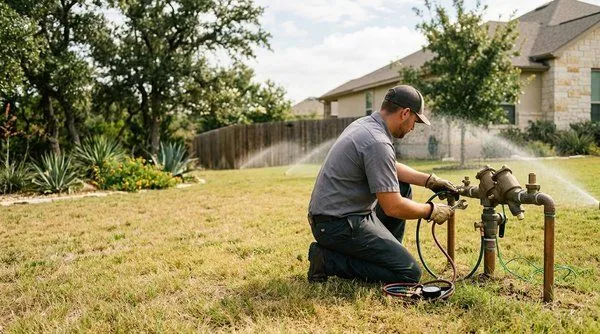
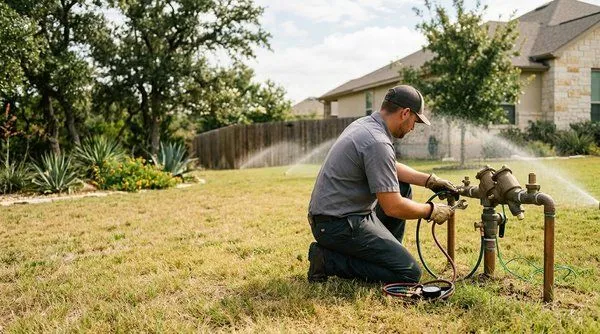
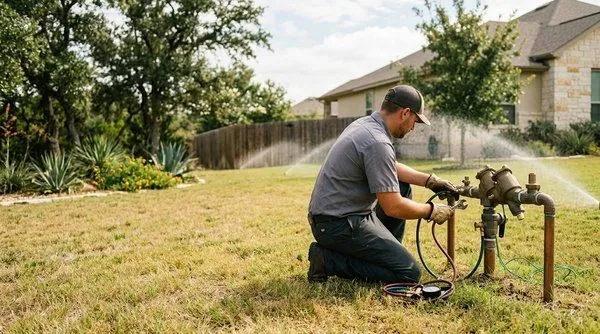
Backflow testing in Austin has never been more urgent than it is in 2026. Stage 2 Drought Restrictions are actively shaping when and how thousands of irrigation systems run, and the pressure swings that follow are putting backflow assemblies under real stress.


Multi-Test Solutions works with property owners across Austin who often don't realize their backflow assembly is quietly degrading until something goes wrong. By then, contaminated water may have already entered the supply line. Understanding why annual testing matters, especially during drought conditions, is the first step to protecting your property.

What Stage 2 Drought Restrictions Actually Do to Your Plumbing

Austin Water's Stage 2 Drought Restrictions limit automatic irrigation to one designated day per week. That sounds simple enough. But consider what happens at scale.


When thousands of residential and commercial sprinkler systems in the same neighborhood activate on the same day, the municipal water system absorbs a sudden, massive demand spike. Pressure drops sharply in some zones. Then it rebounds unevenly. These fluctuations aren't minor. They create the exact hydraulic conditions that trigger backsiphonage and backpressure events.


Backsiphonage pulls water backward through your plumbing when upstream pressure drops suddenly. Backpressure forces contaminated water into the supply line when downstream pressure exceeds the main. Either scenario can introduce fertilizers, stagnant irrigation water, or pathogens into your drinking water.


Your backflow prevention assembly is the last line of defense. If its internal check valves, springs, or seals are worn, it may not respond fast enough to stop the reversal.

Why Worn Assemblies Fail During Pressure Swings

Backflow assemblies aren't immune to aging. The rubber seals inside compress and harden over time. Springs lose tension. Check valves accumulate debris from irrigation water. Each of these small changes reduces the assembly's ability to react quickly.


Under normal, steady pressure, a degraded assembly might still hold. Under sharp, irregular pressure fluctuations caused by simultaneous neighborhood irrigation, it may not. The assembly needs to close rapidly and completely. Even a brief, partial failure allows contaminated water to flow backward.


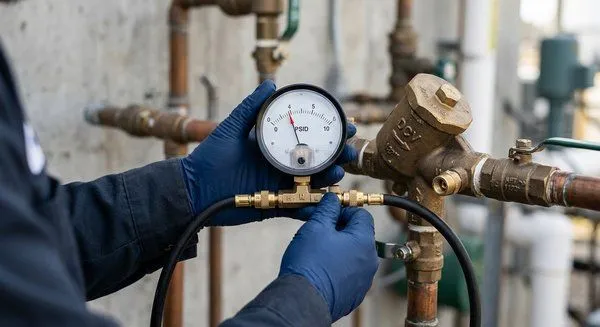
Annual backflow testing in Austin catches these issues before they become health hazards. A certified tester applies differential pressure to evaluate how each internal component performs under real-world conditions.

The WEIRS System: Why Your Tester's Credentials Matter

Austin Water doesn't just require annual testing. It requires that test results be submitted digitally through the WEIRS database within five calendar days of the test. WEIRS stands for Water Environmental Integrated Recordkeeping System, and it replaced paper filing entirely.


This matters more than most property owners realize. If your tester isn't actively registered in WEIRS, your test result doesn't exist in the city's system. You remain non-compliant, even if the test was performed correctly. The property owner bears legal responsibility for that gap.


Before scheduling a test, confirm your provider meets all of the following:

  • Licensed as a Backflow Prevention Assembly Tester (BPAT) by the state
  • Actively registered in Austin Water's WEIRS system
  • Committed to submitting your Test and Maintenance Report digitally within the five-day window
  • Familiar with the specific assembly type installed at your property


Skipping any of these checks puts you at risk of fines or, in serious cases, water service termination.

What Annual Testing Actually Checks

A professional backflow test isn't a visual inspection. It's a measured, procedural evaluation of how the assembly performs under pressure.


Here's what a certified tester evaluates during a standard test:

  1. Check valve seating: Each check valve is tested individually for tightness and proper closure under differential pressure.
  2. Relief valve opening point: The relief valve must open within a specific pressure range. Too high or too low indicates failure.
  3. Shutoff valve condition: Both upstream and downstream shutoffs are tested to ensure they seal completely.
  4. Overall differential pressure: The assembly is tested as a whole to confirm it meets the manufacturer's rated performance.


If any component falls outside acceptable parameters, the tester documents it. That triggers either a repair or replacement recommendation before the next filing deadline.

Backflow Repair: The Logical Next Step After a Failed Test

A failed test doesn't automatically mean you need a new assembly. Many assemblies fail due to worn rubber seats, degraded o-rings, or a fatigued spring. These are repairable components. Certified technicians can rebuild internal sections of the assembly and retest on the same visit in many cases.


Proactive backflow repair of worn internal parts is especially important heading into the fall irrigation season. September in Austin often brings warm, dry spells. Irrigation systems keep running hard before cooler temperatures arrive. That continued use puts repeated pressure on assemblies already stressed from a full summer of Stage 2 cycling.


Don't wait for a failure to act. Repairing a marginally performing assembly now costs far less than emergency service after a backflow event.

Ready to protect your water supply and stay fully compliant with Austin Water's requirements? Schedule your backflow testing in Austin with a certified team that handles digital WEIRS filing, on-site testing, and same-visit repairs when needed.

Frequently Asked Questions

  • How often is backflow testing required in Austin?

    Most backflow prevention assemblies in Austin must be tested annually. Austin Water sets the schedule, and property owners receive compliance notices. Missing a cycle can result in fines or service interruption.

  • What happens if my backflow assembly fails its annual test?

    If your assembly fails, it must be repaired or replaced before your property regains full compliance. Your tester documents the failure in WEIRS and you'll have a defined window to resolve it.

  • Can I use any licensed plumber for backflow testing?

    No. The tester must hold a specific Backflow Prevention Assembly Tester (BPAT) license and must be registered in Austin Water's WEIRS digital reporting system. A general plumbing license does not qualify.

  • How long does a backflow test take?

    Most standard residential tests take under an hour. Larger commercial assemblies with multiple units may take longer depending on system complexity.

  • Are backflow assemblies required for irrigation systems?

    Yes. Any irrigation system connected to a municipal water supply in Austin is required to have an approved backflow prevention assembly installed and tested on the city's schedule.

Recent Posts

backflow preventer repair Austin
August 6, 2026
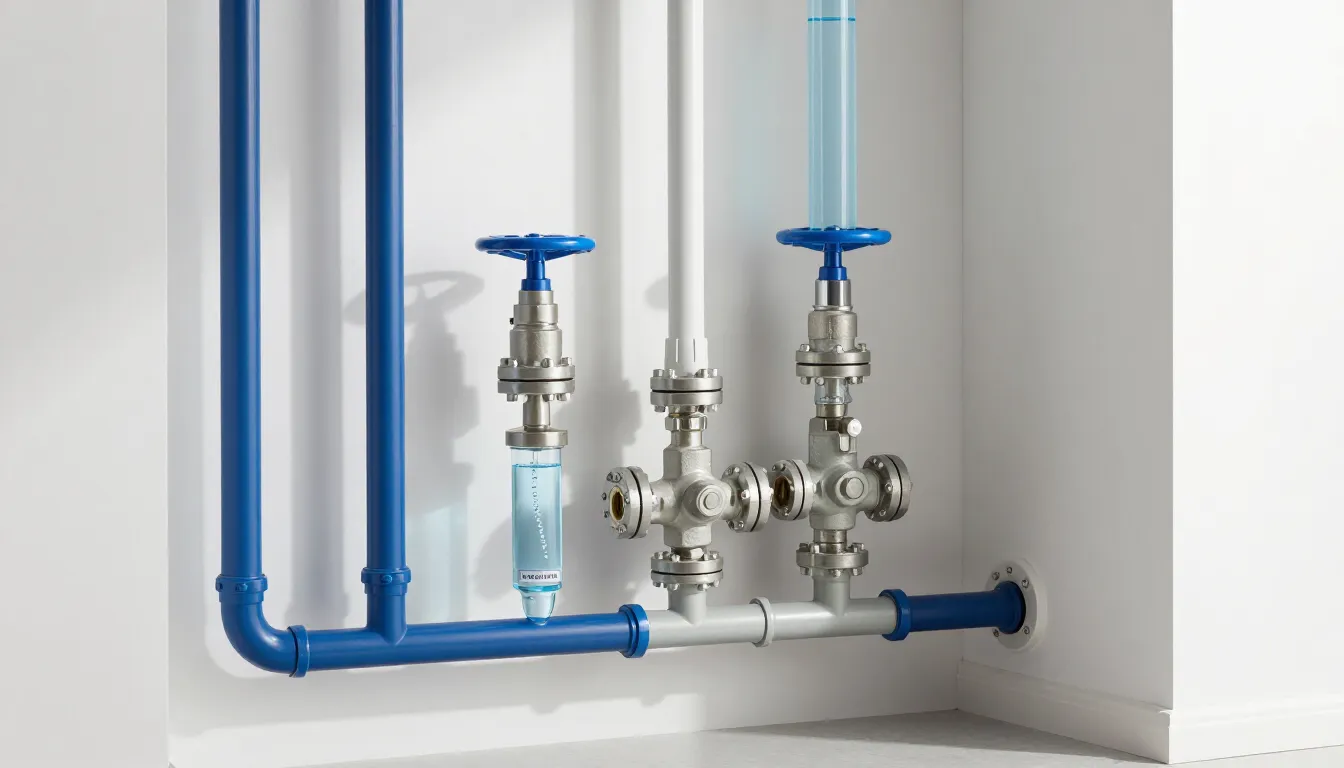
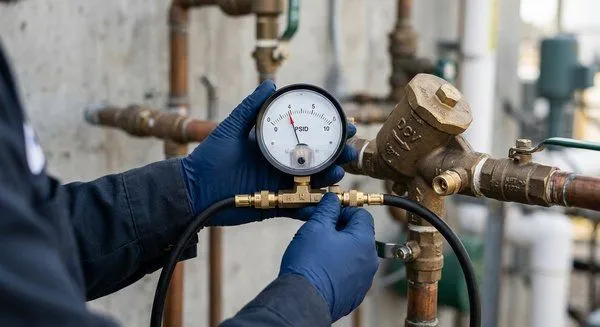
Your backflow preventer may look fine outside but fail inside. Learn why backflow preventer repair in Austin protects your water supply and avoids steep fines.
backflow prevention testing Austin TX
July 8, 2026
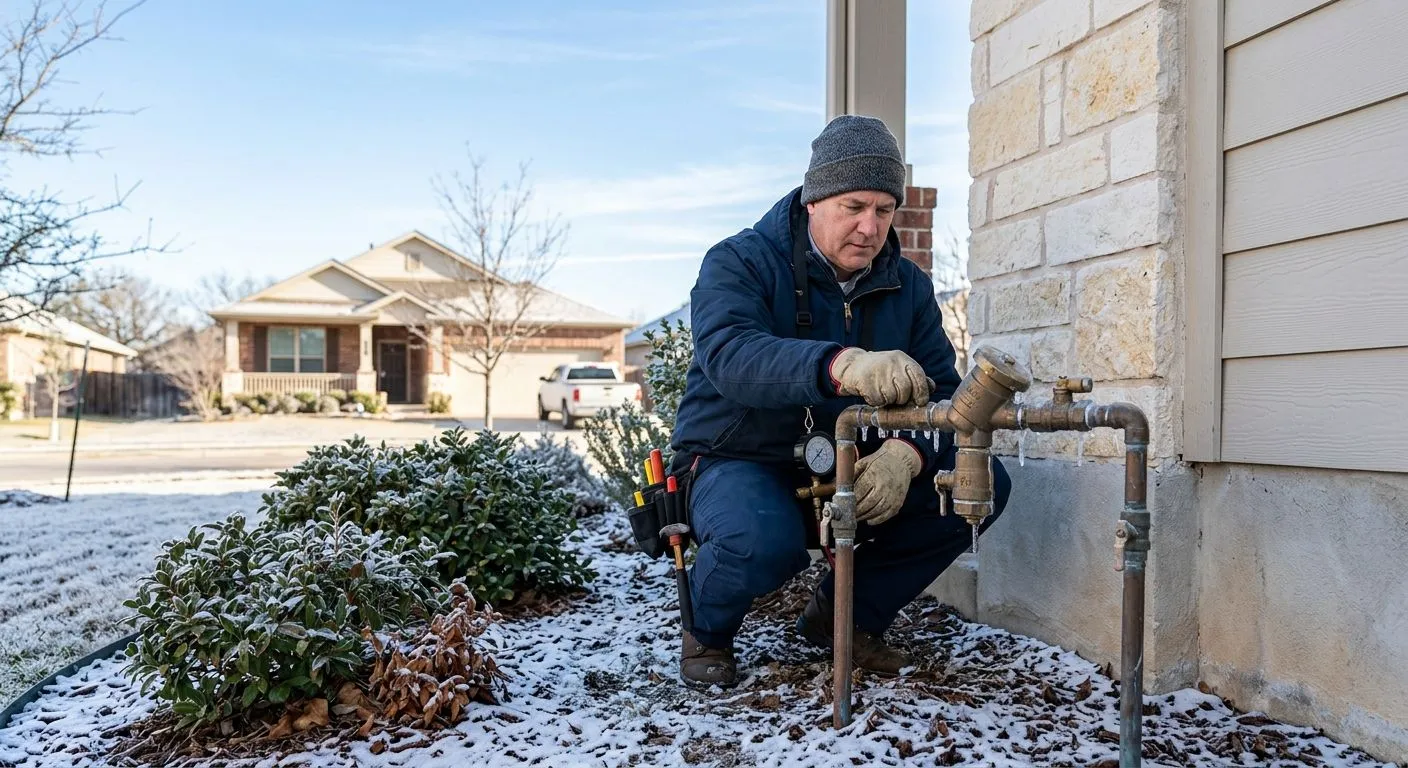
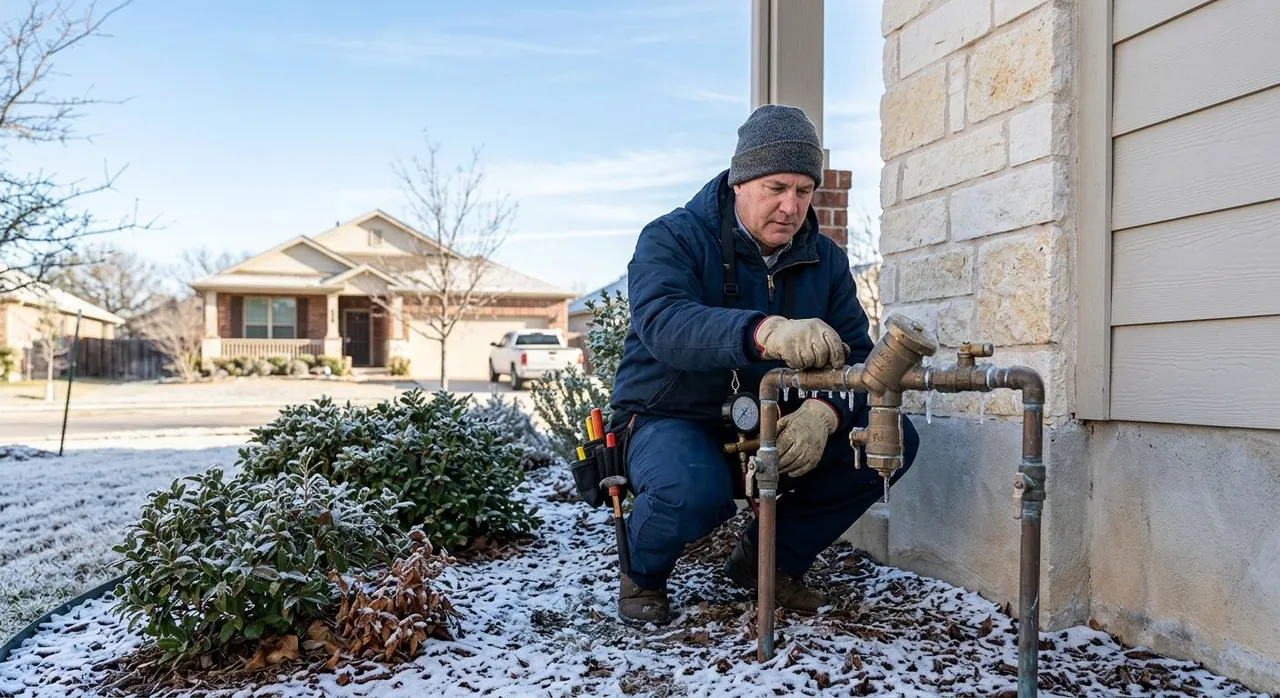
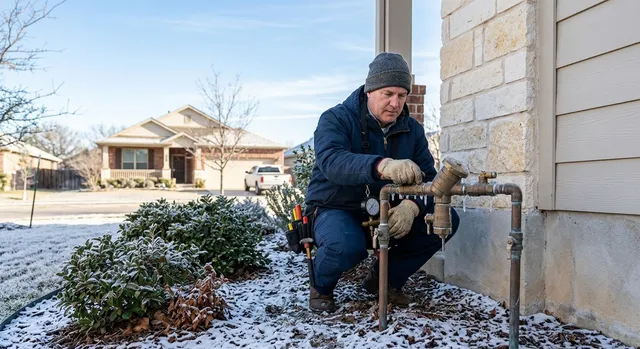
Austin's unpredictable winter freezes can silently destroy your backflow preventer. Learn why post-freeze backflow prevention testing is critical in Central Texas.
Backflow testing
June 15, 2026
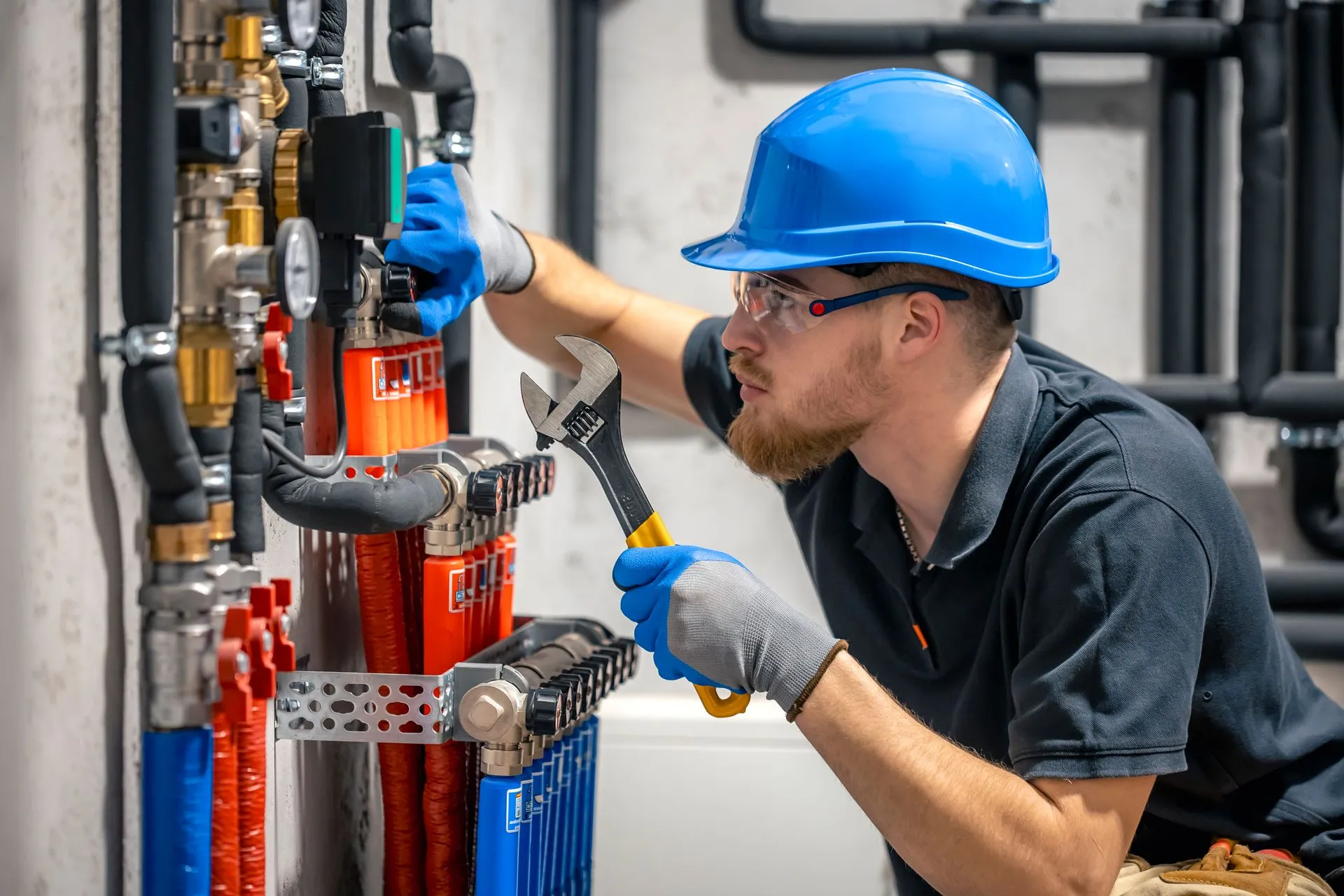
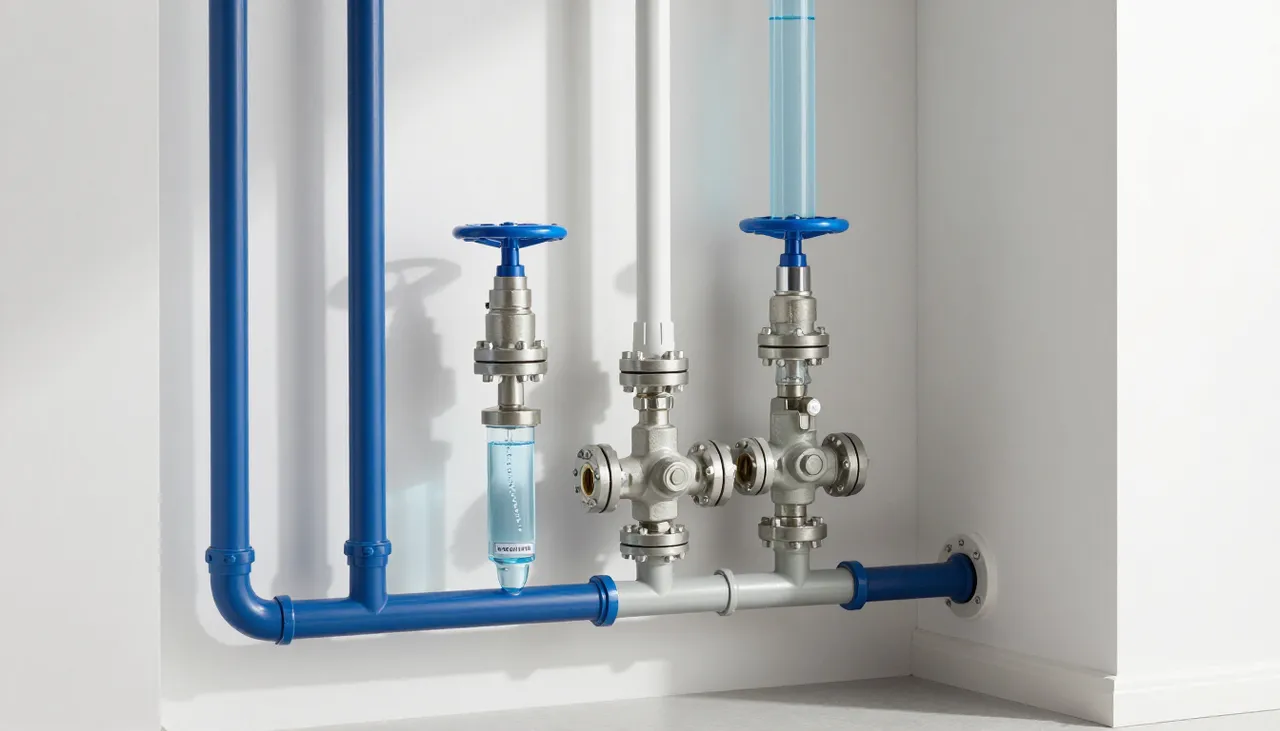
Learn what backflow testing is, how the process works & why it is essential for protecting your water supply, maintaining compliance, and preventing contamination.
Backflow Preventer Testing
May 4, 2026
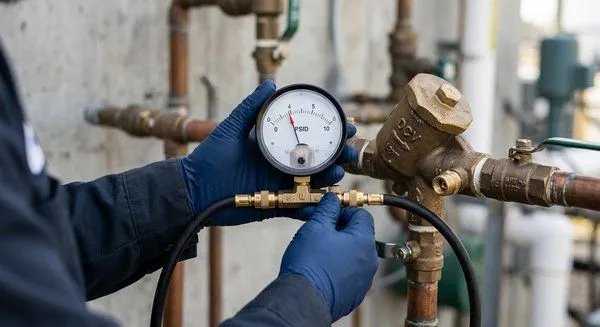
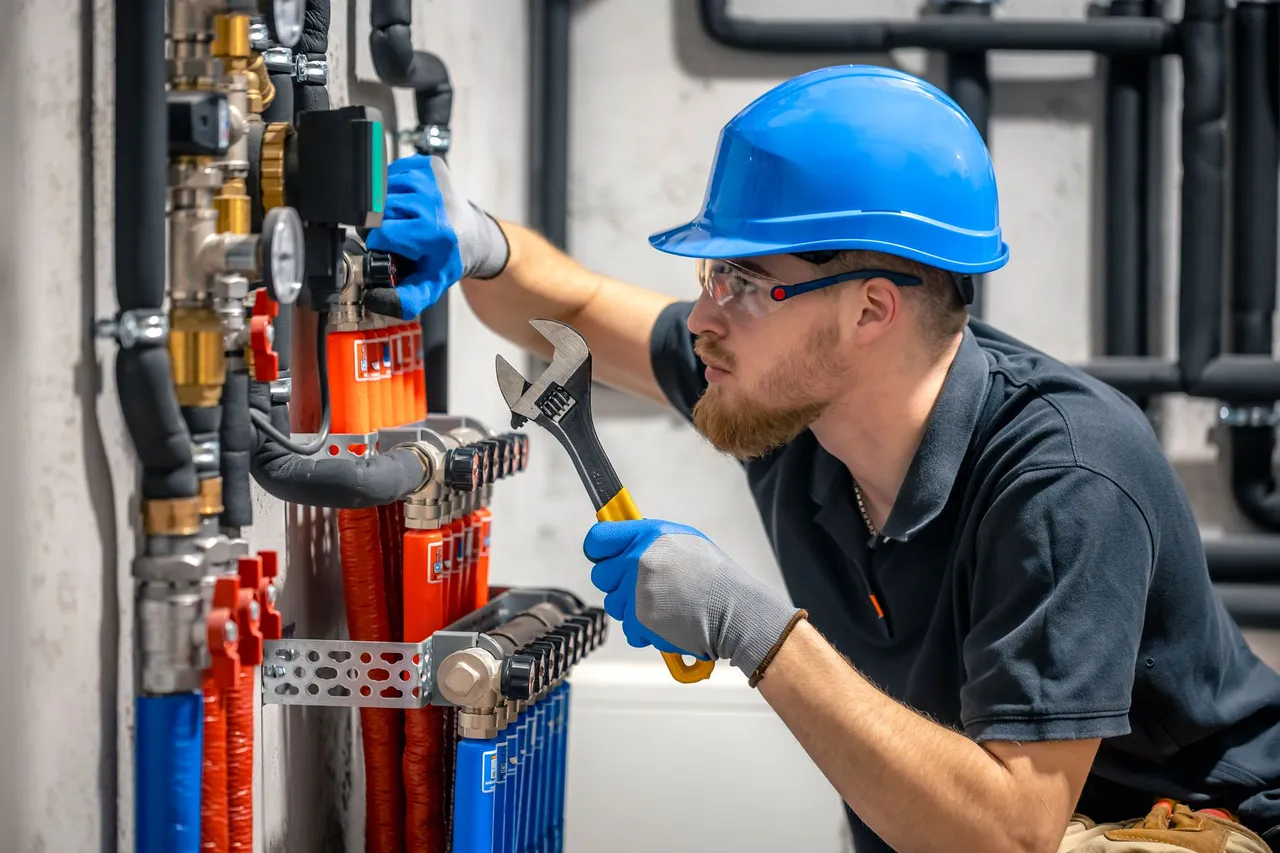
Stay compliant with backflow preventer testing in Austin, TX. Learn how testing works, why it’s required, and when to schedule your service!
backflow preventer repair Austin
August 6, 2026
Your backflow preventer may look fine outside but fail inside. Learn why backflow preventer repair in Austin protects your water supply and avoids steep fines.
backflow prevention testing Austin TX
July 8, 2026
Austin's unpredictable winter freezes can silently destroy your backflow preventer. Learn why post-freeze backflow prevention testing is critical in Central Texas.
Backflow testing
June 15, 2026
Learn what backflow testing is, how the process works & why it is essential for protecting your water supply, maintaining compliance, and preventing contamination.
Backflow Preventer Testing
May 4, 2026
Stay compliant with backflow preventer testing in Austin, TX. Learn how testing works, why it’s required, and when to schedule your service!
backflow preventer repair Austin
August 6, 2026
Your backflow preventer may look fine outside but fail inside. Learn why backflow preventer repair in Austin protects your water supply and avoids steep fines.
backflow prevention testing Austin TX
July 8, 2026
Austin's unpredictable winter freezes can silently destroy your backflow preventer. Learn why post-freeze backflow prevention testing is critical in Central Texas.
Backflow testing
June 15, 2026
Learn what backflow testing is, how the process works & why it is essential for protecting your water supply, maintaining compliance, and preventing contamination.
Backflow Preventer Testing
May 4, 2026
Stay compliant with backflow preventer testing in Austin, TX. Learn how testing works, why it’s required, and when to schedule your service!

Share this article

Backflow Testing in Austin: What Drought Rules Mean for You

Backflow testing in Austin has never been more urgent than it is in 2026. Stage 2 Drought Restrictions are actively shaping when and how thousands of irrigation systems run, and the pressure swings that follow are putting backflow assemblies under real stress.


Multi-Test Solutions works with property owners across Austin who often don't realize their backflow assembly is quietly degrading until something goes wrong. By then, contaminated water may have already entered the supply line. Understanding why annual testing matters, especially during drought conditions, is the first step to protecting your property.

What Stage 2 Drought Restrictions Actually Do to Your Plumbing

Austin Water's Stage 2 Drought Restrictions limit automatic irrigation to one designated day per week. That sounds simple enough. But consider what happens at scale.


When thousands of residential and commercial sprinkler systems in the same neighborhood activate on the same day, the municipal water system absorbs a sudden, massive demand spike. Pressure drops sharply in some zones. Then it rebounds unevenly. These fluctuations aren't minor. They create the exact hydraulic conditions that trigger backsiphonage and backpressure events.


Backsiphonage pulls water backward through your plumbing when upstream pressure drops suddenly. Backpressure forces contaminated water into the supply line when downstream pressure exceeds the main. Either scenario can introduce fertilizers, stagnant irrigation water, or pathogens into your drinking water.


Your backflow prevention assembly is the last line of defense. If its internal check valves, springs, or seals are worn, it may not respond fast enough to stop the reversal.

Why Worn Assemblies Fail During Pressure Swings

Backflow assemblies aren't immune to aging. The rubber seals inside compress and harden over time. Springs lose tension. Check valves accumulate debris from irrigation water. Each of these small changes reduces the assembly's ability to react quickly.


Under normal, steady pressure, a degraded assembly might still hold. Under sharp, irregular pressure fluctuations caused by simultaneous neighborhood irrigation, it may not. The assembly needs to close rapidly and completely. Even a brief, partial failure allows contaminated water to flow backward.


Annual backflow testing in Austin catches these issues before they become health hazards. A certified tester applies differential pressure to evaluate how each internal component performs under real-world conditions.

The WEIRS System: Why Your Tester's Credentials Matter

Austin Water doesn't just require annual testing. It requires that test results be submitted digitally through the WEIRS database within five calendar days of the test. WEIRS stands for Water Environmental Integrated Recordkeeping System, and it replaced paper filing entirely.


This matters more than most property owners realize. If your tester isn't actively registered in WEIRS, your test result doesn't exist in the city's system. You remain non-compliant, even if the test was performed correctly. The property owner bears legal responsibility for that gap.


Before scheduling a test, confirm your provider meets all of the following:

  • Licensed as a Backflow Prevention Assembly Tester (BPAT) by the state
  • Actively registered in Austin Water's WEIRS system
  • Committed to submitting your Test and Maintenance Report digitally within the five-day window
  • Familiar with the specific assembly type installed at your property


Skipping any of these checks puts you at risk of fines or, in serious cases, water service termination.

What Annual Testing Actually Checks

A professional backflow test isn't a visual inspection. It's a measured, procedural evaluation of how the assembly performs under pressure.


Here's what a certified tester evaluates during a standard test:

  1. Check valve seating: Each check valve is tested individually for tightness and proper closure under differential pressure.
  2. Relief valve opening point: The relief valve must open within a specific pressure range. Too high or too low indicates failure.
  3. Shutoff valve condition: Both upstream and downstream shutoffs are tested to ensure they seal completely.
  4. Overall differential pressure: The assembly is tested as a whole to confirm it meets the manufacturer's rated performance.


If any component falls outside acceptable parameters, the tester documents it. That triggers either a repair or replacement recommendation before the next filing deadline.

Backflow Repair: The Logical Next Step After a Failed Test

A failed test doesn't automatically mean you need a new assembly. Many assemblies fail due to worn rubber seats, degraded o-rings, or a fatigued spring. These are repairable components. Certified technicians can rebuild internal sections of the assembly and retest on the same visit in many cases.


Proactive backflow repair of worn internal parts is especially important heading into the fall irrigation season. September in Austin often brings warm, dry spells. Irrigation systems keep running hard before cooler temperatures arrive. That continued use puts repeated pressure on assemblies already stressed from a full summer of Stage 2 cycling.


Don't wait for a failure to act. Repairing a marginally performing assembly now costs far less than emergency service after a backflow event.

Ready to protect your water supply and stay fully compliant with Austin Water's requirements? Schedule your backflow testing in Austin with a certified team that handles digital WEIRS filing, on-site testing, and same-visit repairs when needed.

Frequently Asked Questions

  • How often is backflow testing required in Austin?

    Most backflow prevention assemblies in Austin must be tested annually. Austin Water sets the schedule, and property owners receive compliance notices. Missing a cycle can result in fines or service interruption.

  • What happens if my backflow assembly fails its annual test?

    If your assembly fails, it must be repaired or replaced before your property regains full compliance. Your tester documents the failure in WEIRS and you'll have a defined window to resolve it.

  • Can I use any licensed plumber for backflow testing?

    No. The tester must hold a specific Backflow Prevention Assembly Tester (BPAT) license and must be registered in Austin Water's WEIRS digital reporting system. A general plumbing license does not qualify.

  • How long does a backflow test take?

    Most standard residential tests take under an hour. Larger commercial assemblies with multiple units may take longer depending on system complexity.

  • Are backflow assemblies required for irrigation systems?

    Yes. Any irrigation system connected to a municipal water supply in Austin is required to have an approved backflow prevention assembly installed and tested on the city's schedule.

Recent Posts

backflow preventer repair Austin
August 6, 2026
Your backflow preventer may look fine outside but fail inside. Learn why backflow preventer repair in Austin protects your water supply and avoids steep fines.
backflow prevention testing Austin TX
July 8, 2026
Austin's unpredictable winter freezes can silently destroy your backflow preventer. Learn why post-freeze backflow prevention testing is critical in Central Texas.
Backflow testing
June 15, 2026
Learn what backflow testing is, how the process works & why it is essential for protecting your water supply, maintaining compliance, and preventing contamination.
Backflow Preventer Testing
May 4, 2026
Stay compliant with backflow preventer testing in Austin, TX. Learn how testing works, why it’s required, and when to schedule your service!

Share this article

Backflow Testing in Austin: What Drought Rules Mean for You

Backflow testing in Austin has never been more urgent than it is in 2026. Stage 2 Drought Restrictions are actively shaping when and how thousands of irrigation systems run, and the pressure swings that follow are putting backflow assemblies under real stress.


Multi-Test Solutions works with property owners across Austin who often don't realize their backflow assembly is quietly degrading until something goes wrong. By then, contaminated water may have already entered the supply line. Understanding why annual testing matters, especially during drought conditions, is the first step to protecting your property.

What Stage 2 Drought Restrictions Actually Do to Your Plumbing

Austin Water's Stage 2 Drought Restrictions limit automatic irrigation to one designated day per week. That sounds simple enough. But consider what happens at scale.


When thousands of residential and commercial sprinkler systems in the same neighborhood activate on the same day, the municipal water system absorbs a sudden, massive demand spike. Pressure drops sharply in some zones. Then it rebounds unevenly. These fluctuations aren't minor. They create the exact hydraulic conditions that trigger backsiphonage and backpressure events.


Backsiphonage pulls water backward through your plumbing when upstream pressure drops suddenly. Backpressure forces contaminated water into the supply line when downstream pressure exceeds the main. Either scenario can introduce fertilizers, stagnant irrigation water, or pathogens into your drinking water.


Your backflow prevention assembly is the last line of defense. If its internal check valves, springs, or seals are worn, it may not respond fast enough to stop the reversal.

Why Worn Assemblies Fail During Pressure Swings

Backflow assemblies aren't immune to aging. The rubber seals inside compress and harden over time. Springs lose tension. Check valves accumulate debris from irrigation water. Each of these small changes reduces the assembly's ability to react quickly.


Under normal, steady pressure, a degraded assembly might still hold. Under sharp, irregular pressure fluctuations caused by simultaneous neighborhood irrigation, it may not. The assembly needs to close rapidly and completely. Even a brief, partial failure allows contaminated water to flow backward.


Annual backflow testing in Austin catches these issues before they become health hazards. A certified tester applies differential pressure to evaluate how each internal component performs under real-world conditions.

The WEIRS System: Why Your Tester's Credentials Matter

Austin Water doesn't just require annual testing. It requires that test results be submitted digitally through the WEIRS database within five calendar days of the test. WEIRS stands for Water Environmental Integrated Recordkeeping System, and it replaced paper filing entirely.


This matters more than most property owners realize. If your tester isn't actively registered in WEIRS, your test result doesn't exist in the city's system. You remain non-compliant, even if the test was performed correctly. The property owner bears legal responsibility for that gap.


Before scheduling a test, confirm your provider meets all of the following:

  • Licensed as a Backflow Prevention Assembly Tester (BPAT) by the state
  • Actively registered in Austin Water's WEIRS system
  • Committed to submitting your Test and Maintenance Report digitally within the five-day window
  • Familiar with the specific assembly type installed at your property


Skipping any of these checks puts you at risk of fines or, in serious cases, water service termination.

What Annual Testing Actually Checks

A professional backflow test isn't a visual inspection. It's a measured, procedural evaluation of how the assembly performs under pressure.


Here's what a certified tester evaluates during a standard test:

  1. Check valve seating: Each check valve is tested individually for tightness and proper closure under differential pressure.
  2. Relief valve opening point: The relief valve must open within a specific pressure range. Too high or too low indicates failure.
  3. Shutoff valve condition: Both upstream and downstream shutoffs are tested to ensure they seal completely.
  4. Overall differential pressure: The assembly is tested as a whole to confirm it meets the manufacturer's rated performance.


If any component falls outside acceptable parameters, the tester documents it. That triggers either a repair or replacement recommendation before the next filing deadline.

Backflow Repair: The Logical Next Step After a Failed Test

A failed test doesn't automatically mean you need a new assembly. Many assemblies fail due to worn rubber seats, degraded o-rings, or a fatigued spring. These are repairable components. Certified technicians can rebuild internal sections of the assembly and retest on the same visit in many cases.


Proactive backflow repair of worn internal parts is especially important heading into the fall irrigation season. September in Austin often brings warm, dry spells. Irrigation systems keep running hard before cooler temperatures arrive. That continued use puts repeated pressure on assemblies already stressed from a full summer of Stage 2 cycling.


Don't wait for a failure to act. Repairing a marginally performing assembly now costs far less than emergency service after a backflow event.

Ready to protect your water supply and stay fully compliant with Austin Water's requirements? Schedule your backflow testing in Austin with a certified team that handles digital WEIRS filing, on-site testing, and same-visit repairs when needed.

Frequently Asked Questions

  • How often is backflow testing required in Austin?

    Most backflow prevention assemblies in Austin must be tested annually. Austin Water sets the schedule, and property owners receive compliance notices. Missing a cycle can result in fines or service interruption.

  • What happens if my backflow assembly fails its annual test?

    If your assembly fails, it must be repaired or replaced before your property regains full compliance. Your tester documents the failure in WEIRS and you'll have a defined window to resolve it.

  • Can I use any licensed plumber for backflow testing?

    No. The tester must hold a specific Backflow Prevention Assembly Tester (BPAT) license and must be registered in Austin Water's WEIRS digital reporting system. A general plumbing license does not qualify.

  • How long does a backflow test take?

    Most standard residential tests take under an hour. Larger commercial assemblies with multiple units may take longer depending on system complexity.

  • Are backflow assemblies required for irrigation systems?

    Yes. Any irrigation system connected to a municipal water supply in Austin is required to have an approved backflow prevention assembly installed and tested on the city's schedule.

Recent Posts

backflow preventer repair Austin
August 6, 2026
Your backflow preventer may look fine outside but fail inside. Learn why backflow preventer repair in Austin protects your water supply and avoids steep fines.
backflow prevention testing Austin TX
July 8, 2026
Austin's unpredictable winter freezes can silently destroy your backflow preventer. Learn why post-freeze backflow prevention testing is critical in Central Texas.
Backflow testing
June 15, 2026
Learn what backflow testing is, how the process works & why it is essential for protecting your water supply, maintaining compliance, and preventing contamination.
Backflow Preventer Testing
May 4, 2026
Stay compliant with backflow preventer testing in Austin, TX. Learn how testing works, why it’s required, and when to schedule your service!